Discover Your Camping Style
Never camped before? Answer ten friendly questions — under two minutes — and we'll reveal your camping style, then tailor this whole page, your checklist and your campsite matches to you.
Pick the path that fits you
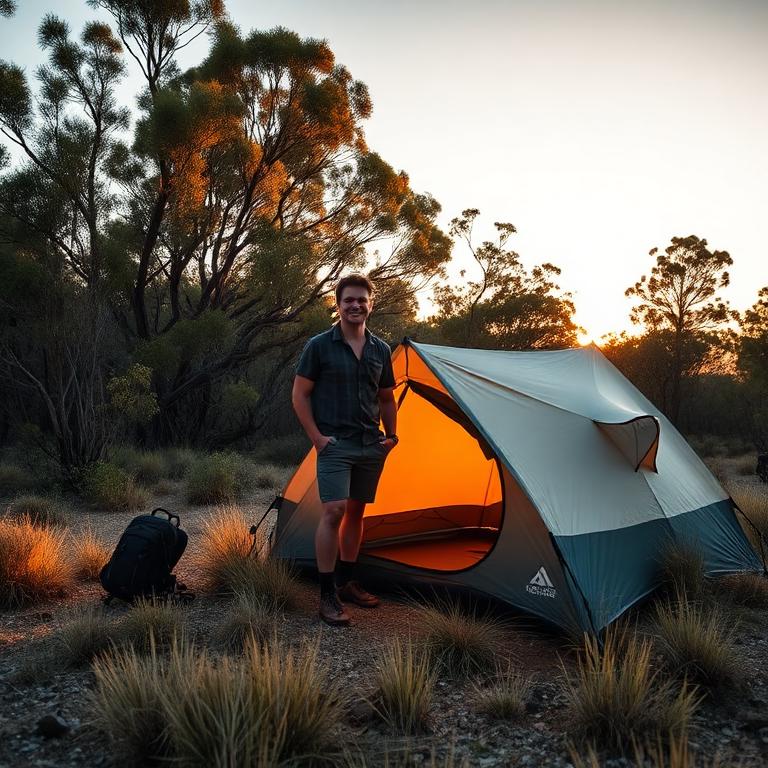
Solo Camping
For people planning their first solo adventure with confidence.
Read the solo camping guide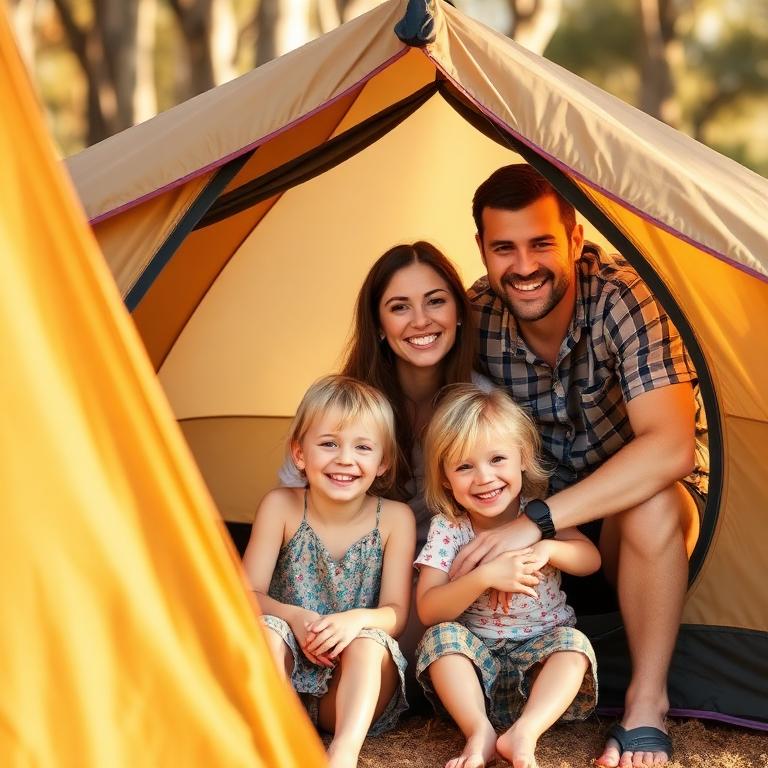
Family Camping
For parents heading out camping with children for the first time.
Read the family camping guide
Camping With Dogs
For dog owners planning a pet-friendly camping trip.
Read the camping with dogs guide
Couple Camping
For two people wanting a comfortable, relaxed trip together.
Read the couple camping guide
Comfort First Camping
For campers who want the basics covered and a good night's sleep.
Read the comfort first camping guide
Budget Camping
For getting out there for as little money as possible.
Read the budget camping guide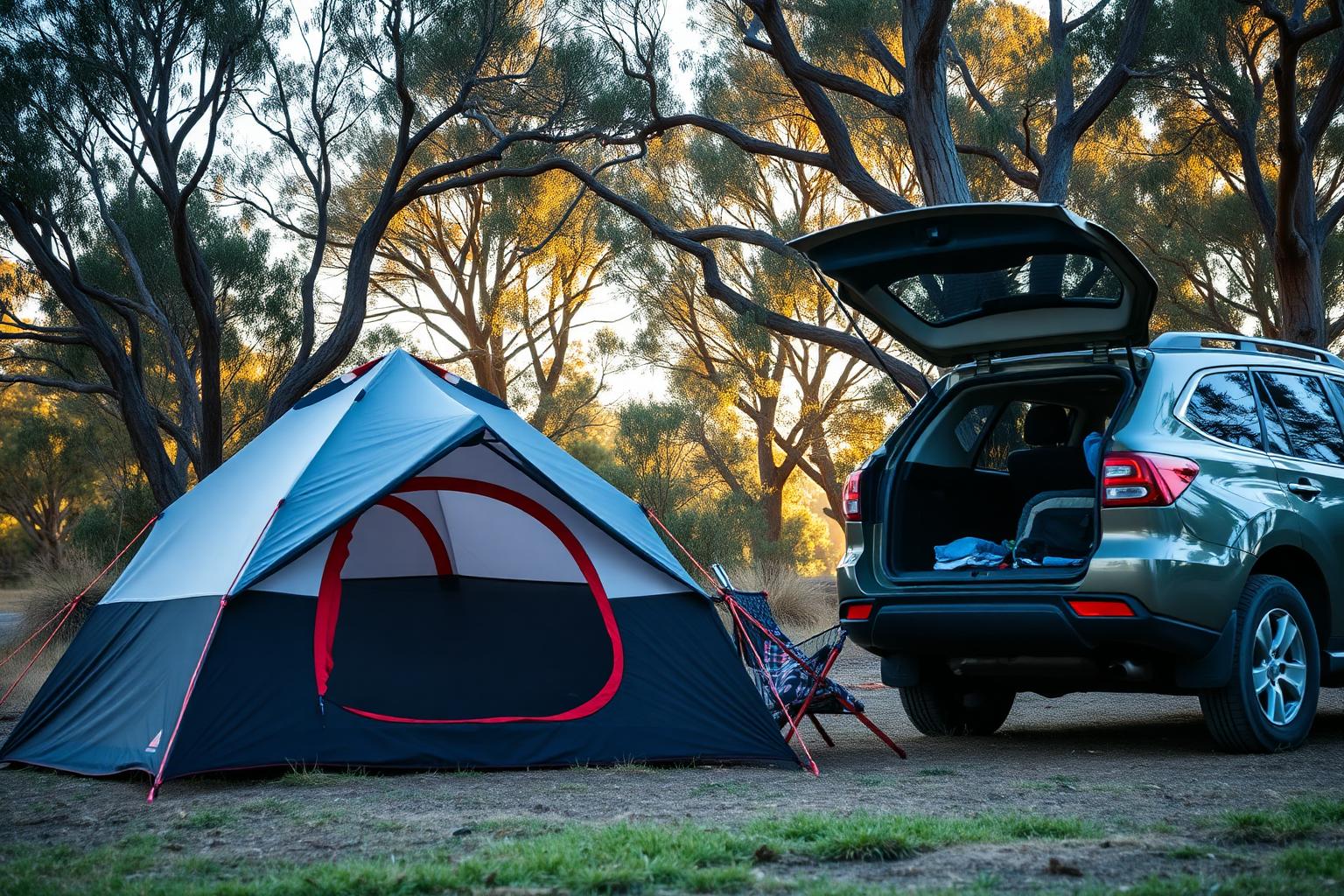
Weekend Camping
For quick, easy weekend escapes you can repeat often.
Read the weekend camping guide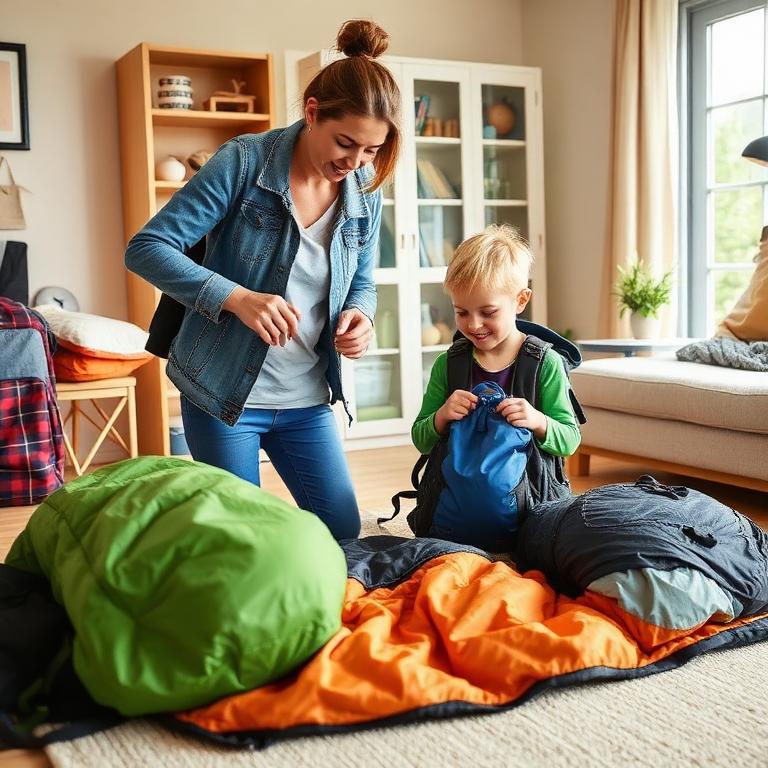
School Camp Parents
For parents preparing children for an upcoming school camp.
Read the school camp parents guideYour first campsite matters more than your gear
Beginners obsess over tents. Experienced campers pick the right campsite first. A great beginner site makes average gear feel brilliant — a poor one makes expensive gear feel miserable. For your first trip, comfort and simplicity beat adventure every time.
Look for a site that
- Less than 2 hours from home
- Has toilets and drinking water
- Has mobile reception
- Has easy vehicle access
Avoid for now
- Remote bush camps
- 4WD-only access
- Walk-in campsites
- Sites that need complex planning
There's a reason experienced campers steer first-timers toward easy, well-serviced sites: when there's drinking water, a toilet and phone reception close by, almost nothing can go badly wrong. If a peg snaps or the weather turns, you're a short, calm drive from home — not stranded an hour down a 4WD track. Save the remote, hard-to-reach spots for once you've got a few trips under your belt and the confidence to match.
Beginner camping guides
Tap any topic for straight-talking advice from years of camping — not the recycled stuff you'd find in a quick search.
Unlock the beginner camping guides
Sign up free to read every straight-talking guide written from years of camping.
Sign up freeThings nobody tells beginners
The quiet lessons you usually only learn after a few trips out — passed on so your first one goes smoother.
Arrive earlier than you think
Experienced campers aim to be set up before 3pm. Pitching in daylight removes nearly all of the first-day stress — you can find the flat ground, sort the beds and cook a calm dinner instead of fumbling with poles by torchlight.
Wind causes more problems than rain
Beginners watch the rain radar. Experienced campers check the wind first. A good tent shrugs off rain, but wind flaps it all night, flattens the gazebo and turns cooking into a fight. Pick a sheltered spot and point the door away from the breeze.
The ground is colder than the air
Heat drains out of you into the ground far faster than into the air. A good insulated sleeping mat often matters more than a warmer bag. Get the mat right and you'll sleep warm even in a cheap bag.
Kids don't care about fancy gear
Children remember the campfire, the wildlife, the torch-lit adventure to the toilet and the freedom to explore. They will not remember the brand of your tent. Spend on the experience, not the equipment.
Your first night's sleep may be average
This is completely normal. New sounds, a new bed and a bit of excitement mean even seasoned campers sometimes sleep lightly the first night out. It almost always improves by night two — don't let one ordinary sleep put you off.
You will bring too much stuff
Almost everyone overpacks their first trip — it's a rite of passage. You'll get home, see what you never touched, and pack lighter next time. The second trip is always easier than the first.
The Top 10 to avoid
Unlock the Top 10 to avoid
Sign up free to see the most common beginner mistakes and exactly how to avoid them.
Sign up freeIf I was taking you camping this weekend
If I was helping a friend plan their very first camping trip, here's exactly what I'd tell them to do — no more, no less:
- One night only
- Less than two hours from Melbourne
- Powered campsite
- Public toilets
- Check the weather three days before you leave
- Simple meals
- Arrive before mid-afternoon
- Borrow gear where you can
- Focus on comfort rather than adventure
Your first trip should build confidence, not test your limits.
The hard-won lessons that hold true anywhere
These are the things experienced campers take for granted and beginners learn the hard way. They apply wherever you pitch a tent in Australia — the local detail (fire districts, booking systems, the species you'll actually meet) lives in your state guide.
Pack for the weather you didn't order
Any forecast more than three days out is a guess. Carry one warm layer and a rain jacket on every trip, even in summer — the night you leave them at home is the night you'll wish you hadn't. Dry, warm clothes are the cheapest comfort you can buy.
Nights are colder than the day promises
On clear nights the ground radiates its heat straight back to the sky, so temperatures plunge long after dark — inland and high country can drop 15°C below the daytime high even in January. Rate your sleeping bag a few degrees below the forecast low and add a sleeping mat; the cold that ruins sleep comes from the ground, not the air.
Check the fire rating before every trip
Fire rules change day to day and rangers do check. On a Total Fire Ban there are no solid-fuel fires at all — no campfire, no wood stove. Look up your district's rating the morning you leave, and always carry a gas stove so dinner never depends on a fire you might not be allowed to light.
The best sites book out on a schedule
Popular coastal and national-park sites fill months ahead for school holidays and long weekends, and most now need an online booking even when the site itself is free. Learn the booking-release date for your park system, or simply go mid-week and in shoulder season — the same site often sits half-empty.
Wildlife wants nothing to do with you
Snakes, ticks and spiders are rare encounters, not constant threats — they'd rather avoid you. Wear closed shoes around dusk, keep the tent zipped, shake out boots in the morning, and keep a compression bandage in your kit. Knowing what to do means you can relax instead of worrying about it.
Wind wrecks more tents than rain
Exposed ridgelines and coastal sites pick up afternoon wind that flattens a poorly pitched tent. Set up behind natural shelter — dunes, scrub, a vehicle — peg every point properly, angle pegs away from the tent, and carry a few heavy-duty spares and extra guy ropes. A tent staked well shrugs off weather that surprises everyone else.
Most first-time campers spend too much
Plenty of first-time campers assume they need hundreds, even thousands of dollars of gear before they can enjoy a single night out. They don't. Your first trip should be simple.
You do not need a camp kitchen, a solar setup, an expensive fridge, a portable shower, premium cookware or a boot full of camping gadgets. For a successful first trip, all you really need is:
- Tent
- Sleeping bag
- Mattress
- Chair
- Lighting
- Simple food
Everything else can wait. The goal of your first trip is not to become an expert camper — it's simply to find out whether you actually enjoy camping. Spend big later, once you know what kind of camper you are.
Tools that do the hard work
Free Camping Checklist
A printable list of everything to pack, tailored to your trip.
Build my checklistCamping Budget Calculator
Estimate the true cost of your weekend away.
Coming soonReady For Your First Camping Adventure?
Take the first step today — it's simpler than you think.