Camping For Next To Nothing
Camping is one of the cheapest holidays there is — if you don't fall for the gear trap. Here's how to get out there for very little, using free campsites, borrowed kit and a bit of know-how instead of a big spend.
The camping industry makes its money convincing beginners they need hundreds of dollars of gear to sleep in a paddock. You don't. My cheapest trips have been some of my best. Borrow before you buy, camp where it's free, eat simple, and put the money you save towards actually going more often. The gear is not the experience — the place is.
Borrow before you buy anything
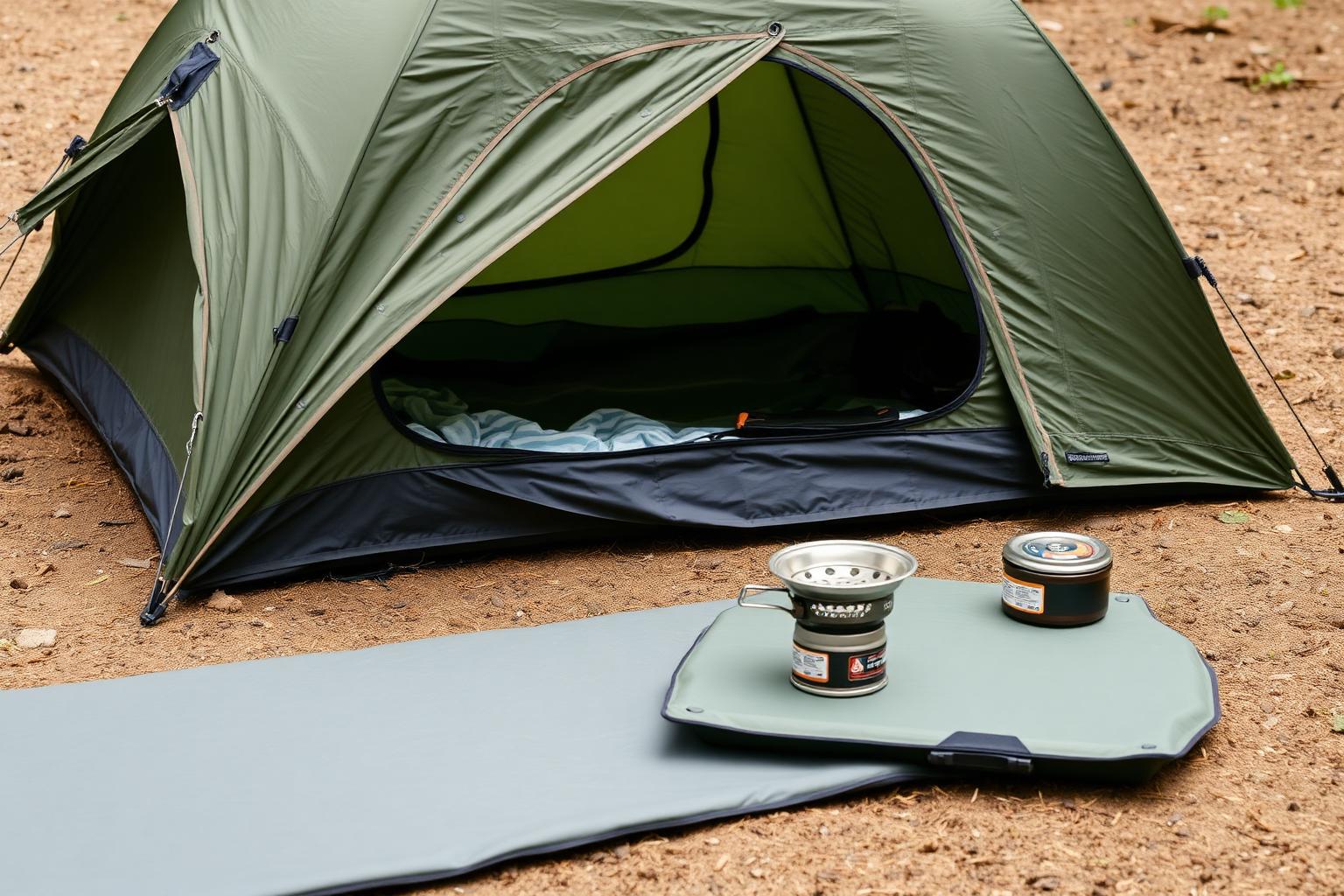
The smartest budget move is to not buy gear at all for your first trips. Borrow a tent, mat and stove from friends or family — most people who camp have spare kit gathering dust. This lets you try camping for nothing and, crucially, learn what you actually like before spending a cent. People who buy a full kit up front almost always buy the wrong things, because they don't yet know how they camp. A few borrowed trips will teach you more about what's worth owning than any shop assistant.
- Borrow a tent, mat and stove for your first trips
- Try before you buy — learn what suits you first
- Most campers have spare gear they'll happily lend
- You'll buy far better once you know how you camp
Camp where it's free or cheap
Accommodation is usually the biggest holiday cost, and camping can make it almost zero. Australia is full of free and low-cost campsites — national parks, state forests, free roadside camps and apps that map them all. A free bush camp by a river beats an expensive caravan park for most people anyway. Check whether you need a (often cheap) park booking, what facilities exist, and fire rules before you go. Learning to find good free sites is the single biggest saving in camping, and the sites are frequently nicer than the paid ones.
- Use camping apps to find free and low-cost sites
- National parks and state forests are cheap or free
- Check booking, facilities and fire rules in advance
- Free sites are often more scenic than paid parks
Sign in to read the rest of this guide
The remaining steps and insider tips are free once you create an account.
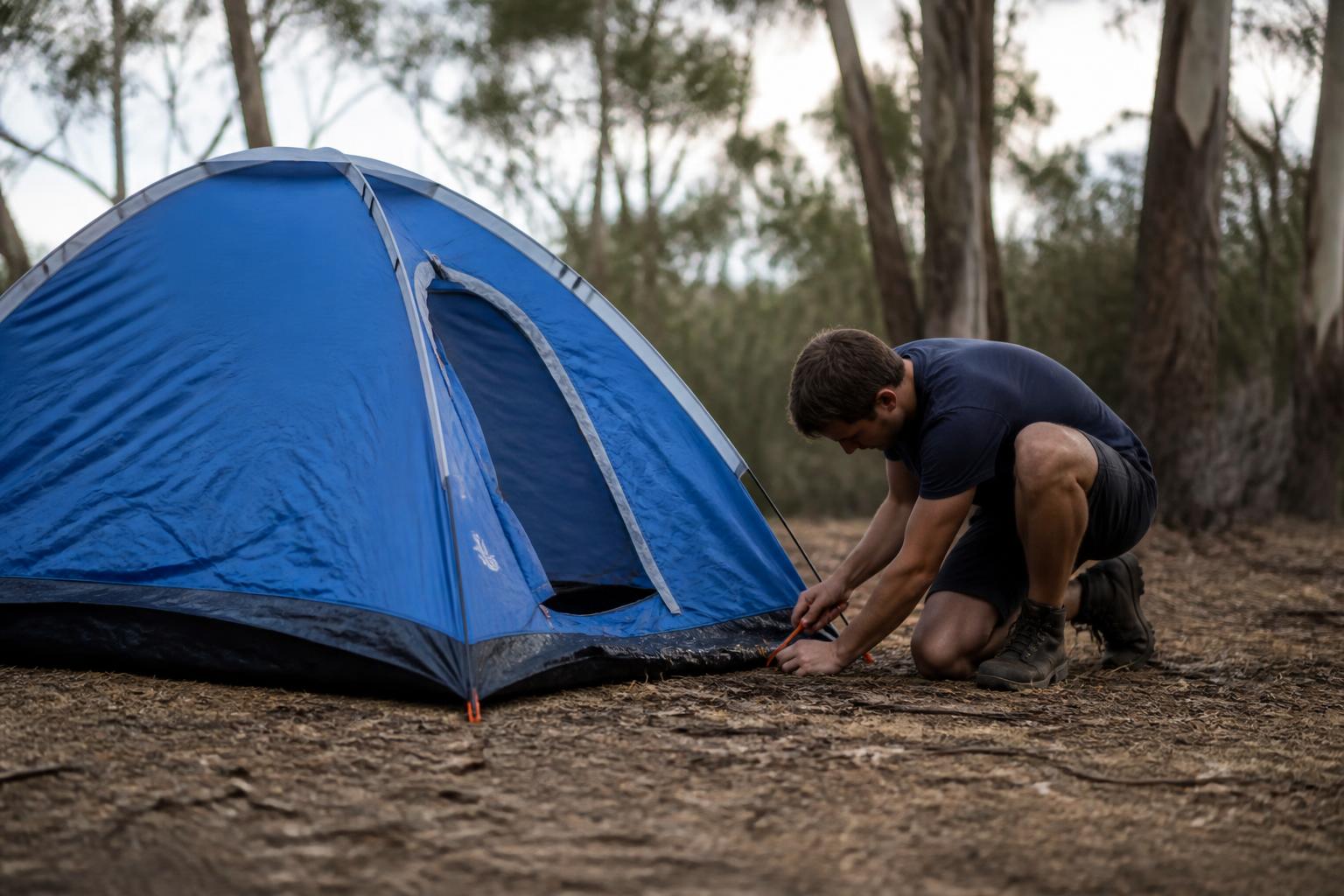
Little things that make a big difference
Unlock the insider tips
Sign up free to see the tips seasoned campers only pass on in person.
Sign up freeBeyond the basic checklist
Borrowed tent, mat and stove
Try camping for nothing before spending a cent.
A free-camp app
Finds the cheap and free sites that make camping nearly free.
A cheap esky and frozen water bottles
Free ice that becomes drinking water — keeps food cold for nothing.
A box of kitchen odds-and-ends from home
Replaces a whole 'camp kitchen' purchase for free.
Old blankets and warm clothes
Stand in for pricey sleeping gear on milder nights.
A simple cheap food plan
Pasta, eggs and wraps feed you well for very little.
A second-hand sleeping bag and mat
The one place to spend — but buy used to save.
A reusable camp box
Keeps prep cheap and fast so you camp more often.
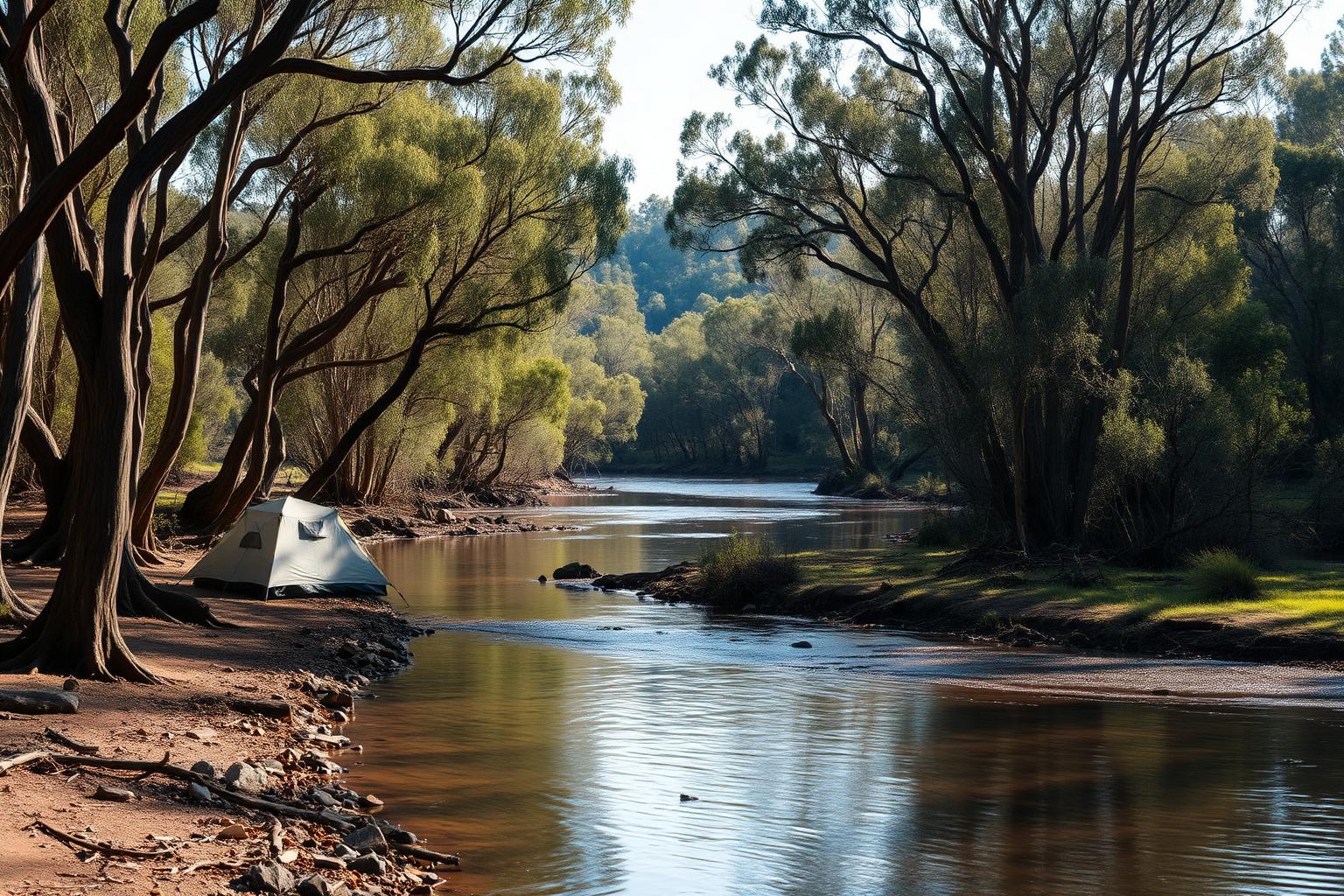
Free and low-cost sites are everywhere once you know where to look.
What catches people out
- The gear trap. You do not need a full premium kit to start — borrow and buy cheap first.
- Buying expensive before you know how you camp. You'll almost certainly pick the wrong thing.
- Skimping on the sleeping mat and bag. A cold, sleepless night is the false economy that ends people's camping.
- Over-catering. Far too much food gets bought, then wasted — plan meals per day and buy to a list.
- Shopping near the campsite. Tourist-strip prices wreck a budget trip.
- Ignoring booking and fire rules at free sites. A fine or being turned away costs far more than the saving.
Ready to turn this into a plan?
Build a packing list tailored to your trip and step through the rest in the right order.