Getting Your Child Ready For School Camp
School camp is often a child's first night away from home — and parents stress more than the kids. Here's how to pack smart and send them off confident, without buying a thing you don't need.
After kitting out a lot of kids for school camp, two truths stand out. First: label everything, because half of all lost property is just unlabelled gear no one can claim. Second: a child who has practised the small things — rolling a sleeping bag, working a torch, managing their own bag — handles homesickness far better, because they feel capable. Confidence, not equipment, is what makes camp go well.
Read the list, then label everything
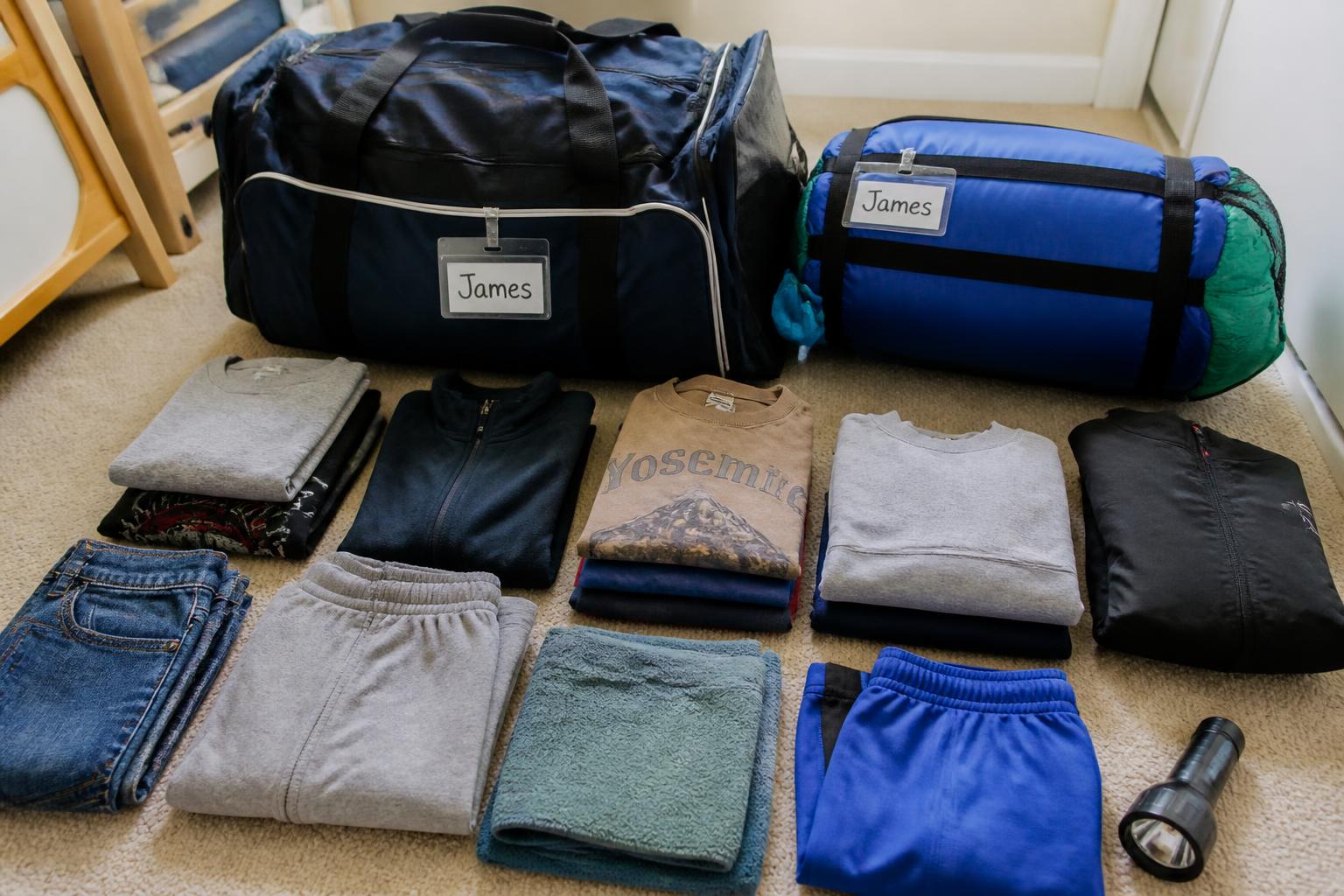
School camps send a specific packing list — follow it exactly rather than guessing. Then label every single item, including socks, torch and water bottle, with name and class. Unlabelled gear is the number one thing that comes home missing. Iron-on or stick-on labels beat marker, which fades and smudges. The reason labelling matters more than parents expect is that at camp, fifty kids end up with near-identical navy jumpers, black bathers and grey socks dumped in a communal pile, and a child won't fight to claim something that isn't clearly theirs — they'll just go without. Label both the item and, where you can, the bag it lives in. Where the school list is vague, ring and ask rather than assume: 'enclosed shoes' might mean two pairs because one will get soaked on day one, and 'warm clothes' on a list written in term one can mean genuinely cold alpine nights. Cross items off as you pack them with your child watching, so they know roughly what they have and where it is — a kid who's seen the bag packed copes far better than one handed a sealed mystery to unpack alone.
- Follow the school's list precisely — don't over- or under-pack
- Label clothes, shoes, torch, bottle, toiletries — everything
- Pack outfits in daily zip-lock or labelled bags so nothing's forgotten
- Keep a copy of the packing list inside the bag for repacking
- Pack with your child watching so they know what they have and where
Pack for cold, wet and grubby
Kids run around and get filthy, and camps are often colder than home at night. Pack more warm layers and socks than the list suggests, plus a rain jacket and a complete spare set in a waterproof bag. Old clothes that can be ruined are perfect — camp is not the place for new or favourite outfits. The principle experienced parents pack by is layers, not bulk: several thinner tops a child can add or shed beat one heavy jumper, because camp days swing from cold mornings to warm activity to cold nights, and a kid who can self-regulate stays comfortable. Socks and undies are the items to over-pack wildly — feet get wet, and a dry pair of socks is the difference between a happy day and a miserable, blistered one. Keep a full dry change sealed in a waterproof bag at the bottom of the pack as the 'emergency outfit' for the inevitable creek-fall or downpour, and tell your child it's there. Skip anything precious; camp clothes come home stained, torn or not at all, so dressing a child in their newest gear just guarantees an upset on either end of the trip.
- Extra warm layers, beanie and spare socks beyond the minimum
- A rain jacket and a full change of clothes in a dry bag
- Old, hardy clothes and closed shoes that can get destroyed
- Thongs or slides for showers and around the cabin
- Pack layers not bulk, and wildly over-pack socks and undies

Practise the night-away skills
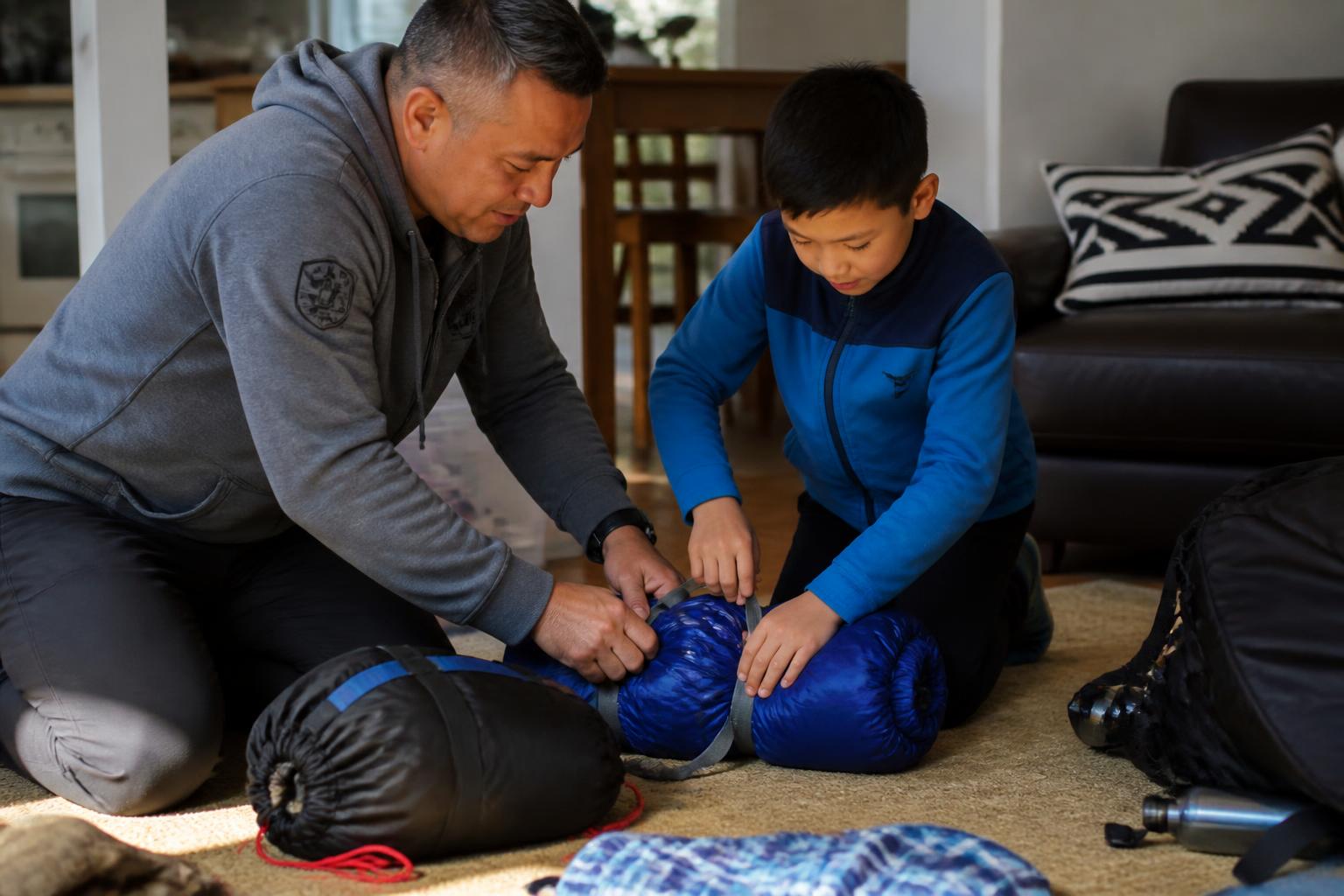
A week or two before camp, do a dry run at home: have them roll and stuff their own sleeping bag, work their torch, change into pyjamas and manage their toiletries solo. Kids who can do these things feel in control. A sleepover at a relative's or friend's house first is brilliant preparation for the first night away. The hidden value of the dry run is that it surfaces the small, specific things that derail a child at camp — the sleeping bag they can't get back in its sack, the head torch with the fiddly button, the toiletry bag they can't find anything in. Far better to discover those at the kitchen table than alone in a dark cabin surrounded by other kids. Practise the unglamorous skills too: showering and drying themselves in a communal block, keeping track of their own gear, and remembering to actually brush their teeth without a parent reminding them. None of it has to be perfect — the point is that 'I've done this before' replaces 'I don't know how', and that quiet competence is what carries a child through the wobbly moments of a first night away from home.
Prepare them for homesickness
A little homesickness is normal and almost always passes once activities start. Talk about it beforehand as something everyone feels, not a problem. Pack a small comfort from home and a short note tucked in their bag. Avoid promises like 'I'll come get you if you're sad' — instead, reassure them they're capable and you'll hear all about it when they're back. The counterintuitive truth teachers see every year is that the kids who struggle most are often the ones whose parents promised rescue, because that promise hands the child an escape hatch they then fixate on instead of settling in. The more useful framing is matter-of-fact confidence: 'You might miss home a bit, especially at night — that's totally normal, it passes once you're busy, and the teachers are there if you need them.' Give them concrete coping tools rather than reassurance alone: the comfort item, the hidden note to find on the first night, and a simple plan like 'tell your teacher or your cabin buddy' if the feeling gets big. And manage your own goodbye — keep drop-off upbeat and brief, because a tearful, lingering farewell tells a child there's something to be scared of. Your calm confidence is contagious, and it's the best gift you can send with them.
- Frame homesickness as normal and temporary
- Tuck in a small comfort item and a surprise note
- Reassure with confidence, not rescue promises
- Keep drop-off upbeat and brief — a teary goodbye spreads the fear
Pack it so a 10-year-old can find anything
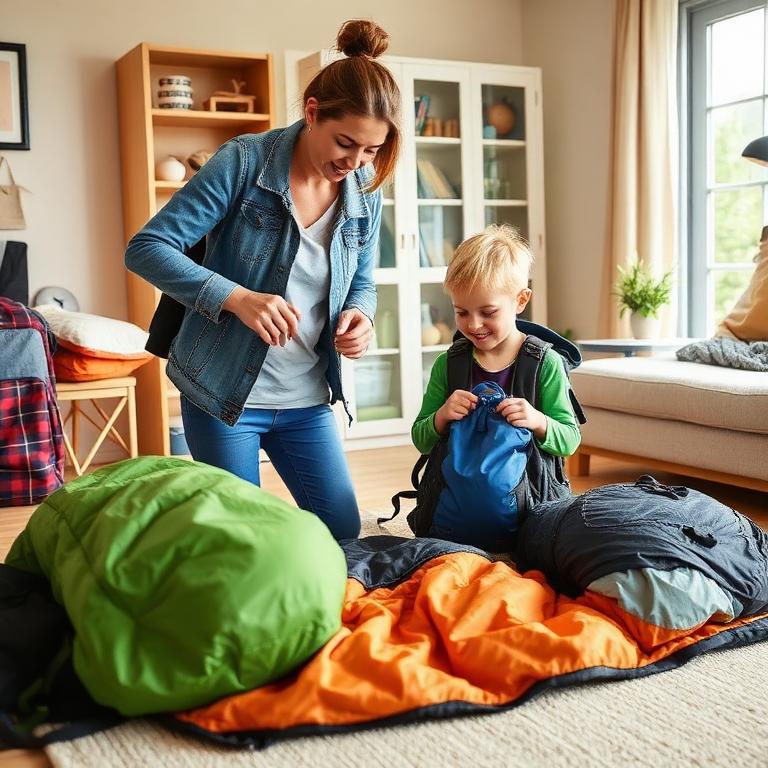
Kids don't unpack — they excavate, and by day two the bag is chaos. Organise it so a child can find things without tipping everything out. Roll outfits into daily bags, keep a 'dirty clothes' bag at the bottom, and put night-one items (pyjamas, torch, toothbrush) right at the top. A bag they can actually manage is a child who feels in control. The system that survives a real camp is the daily-bag method: each day's complete outfit — undies, socks, top, bottoms — rolled into its own labelled zip-lock, so the child grabs one bag, gets dressed, and stuffs the dirty clothes straight back into the same bag. No decisions, no digging, no odd socks lost to the bottom of the pack. Pack in reverse order of need so the first things they want are on top, and keep toiletries together in one obvious bag rather than loose where they vanish. Crucially, keep the whole pack light enough that the child can lift and carry it themselves, because at camp there's no parent to haul it — a bag a 10-year-old can't manage becomes a problem the moment they step off the bus.
- Night-one essentials packed last, so they're on top
- A clearly different bag for dirty clothes, kept separate from clean
- Toiletries in one zip bag, not loose through the pack
- Keep the bag light enough that the child can carry it themselves
- Roll each full daily outfit into its own labelled zip-lock bag
Set them up to make friends
The kids who thrive at camp are rarely the best-equipped — they're the ones who connect with others. The activities and shared cabin do most of the work, but a small deck of cards or a simple game in their bag gives a shy child an easy way in. Talk beforehand about being friendly, including others and giving new activities a real go. The social side is where a few quiet words at home pay off more than anything in the bag. Remind a nervous child that almost everyone feels a bit anxious on day one, even the loud ones — knowing they're not the only one shrinks the fear. Give them a couple of easy openers ('Want to be my partner?', 'Can I sit here?') so they're not frozen in the moment, and frame the cabin as a fresh start where they can be friends with kids they don't usually hang out with. The single most useful attitude to rehearse is 'have a go': the kids who say yes to the activities — the high ropes, the canoe, the talent night — are the ones who come home buzzing, having surprised themselves. Camp is one of the few places a child stretches well beyond their comfort zone, and a little encouragement before they leave is what gives them permission to try.
- A pack of cards or a small game breaks the ice in the cabin
- Rehearse 'have a go' as the camp attitude that makes it fun
- Remind them everyone's a bit nervous on day one — they're not alone
- Arm them with a couple of easy openers so they're not stuck for words
Little things that make a big difference
Pack each day's clothes in its own labelled zip-lock bag. Kids can grab one bag per day and don't dig through everything — and dirty clothes go back in the same bag.
Slip a short handwritten note into their bag where they'll find it on night one. It costs nothing and means everything to a homesick kid.
Put a torch and a small light source somewhere obvious near the top — fumbling in the dark on the first night is a common cause of tears.
Send a roll of toilet paper in a sandwich bag, even if the school provides it. Camp toilets run out, and a prepared kid is a calm kid.
Don't send anything you'd be upset to lose. Old, cheap and labelled is the rule for everything that goes to camp.
Take a photo of the packed bag and its contents before they leave. Repacking at camp is far easier when they can see how it started.
Pack medications in a clearly labelled bag with written instructions for the teachers — never loose in the main bag where they'll be missed.
Write the return date on a slip in their bag. Kids lose track of days at camp and a simple countdown helps homesick ones.
Send one extra pair of shoes. Wet or broken shoes on day one with no backup means a cold, miserable week of activities.
Teach them to lay clothes flat in their bag, not crumpled. Kids stuff everything in and it comes out like a rag — a two-minute folding lesson at home means dry, wearable clothes all week.
Beyond the basic checklist
Iron-on / stick-on name labels
The difference between gear coming home and joining lost property.
Daily zip-lock outfit bags
Keeps clothes organised and contains the dirty ones.
Spare torch + batteries
Night-one confidence and fewer dark-cabin tears.
Waterproof bag with full spare set
Wet, muddy kids need a guaranteed dry change.
Small comfort item + a note
Eases the first night away from home.
Spare toilet paper in a bag
Camp loos run out — a prepared kid stays calm.
Spare pair of shoes
Wet or broken shoes with no backup ruins a week of activities.
Small deck of cards
An easy icebreaker for a shy child in a new cabin.
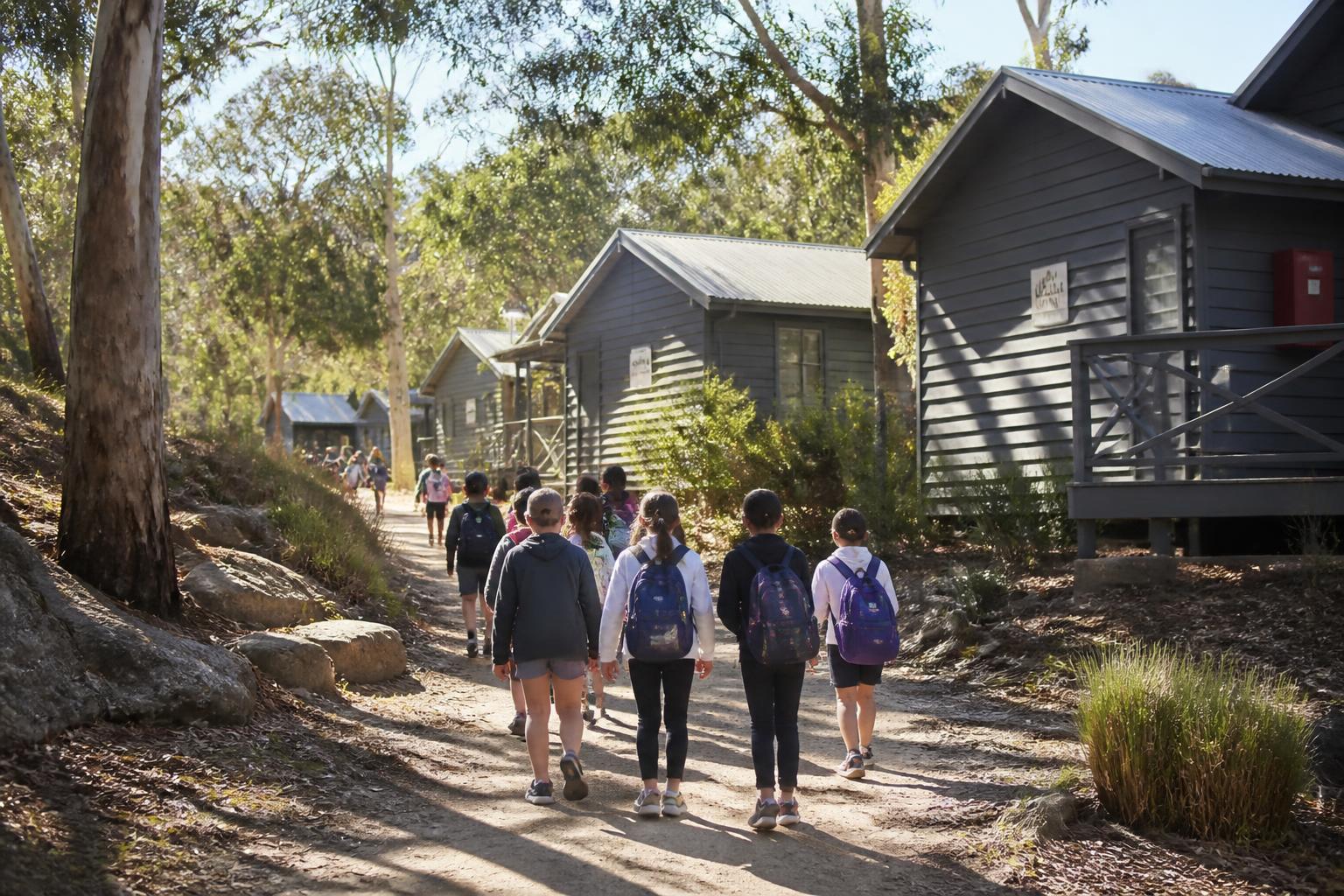
Drop-off is harder on you than on them — they'll be running off with new mates in minutes.
What catches people out
- Unlabelled gear. The single biggest reason things don't come home — label every item, no exceptions.
- Over-packing. A bag too heavy or stuffed to repack overwhelms a child. Stick to the list plus a few sensible extras.
- New gear and favourite clothes. Camp destroys clothes and loses items — send old and replaceable.
- Rescue promises. Telling a child you'll collect them if they're sad often makes homesickness worse, not better.
- Forgetting the medical and consent forms. A missed form can stop a child joining activities — handle paperwork before packing.
- Sending phones or valuables. Most camps ban them, they get lost or broken, and they undercut the independence camp is meant to build.
Ready to turn this into a plan?
Build a packing list tailored to your trip and step through the rest in the right order.