
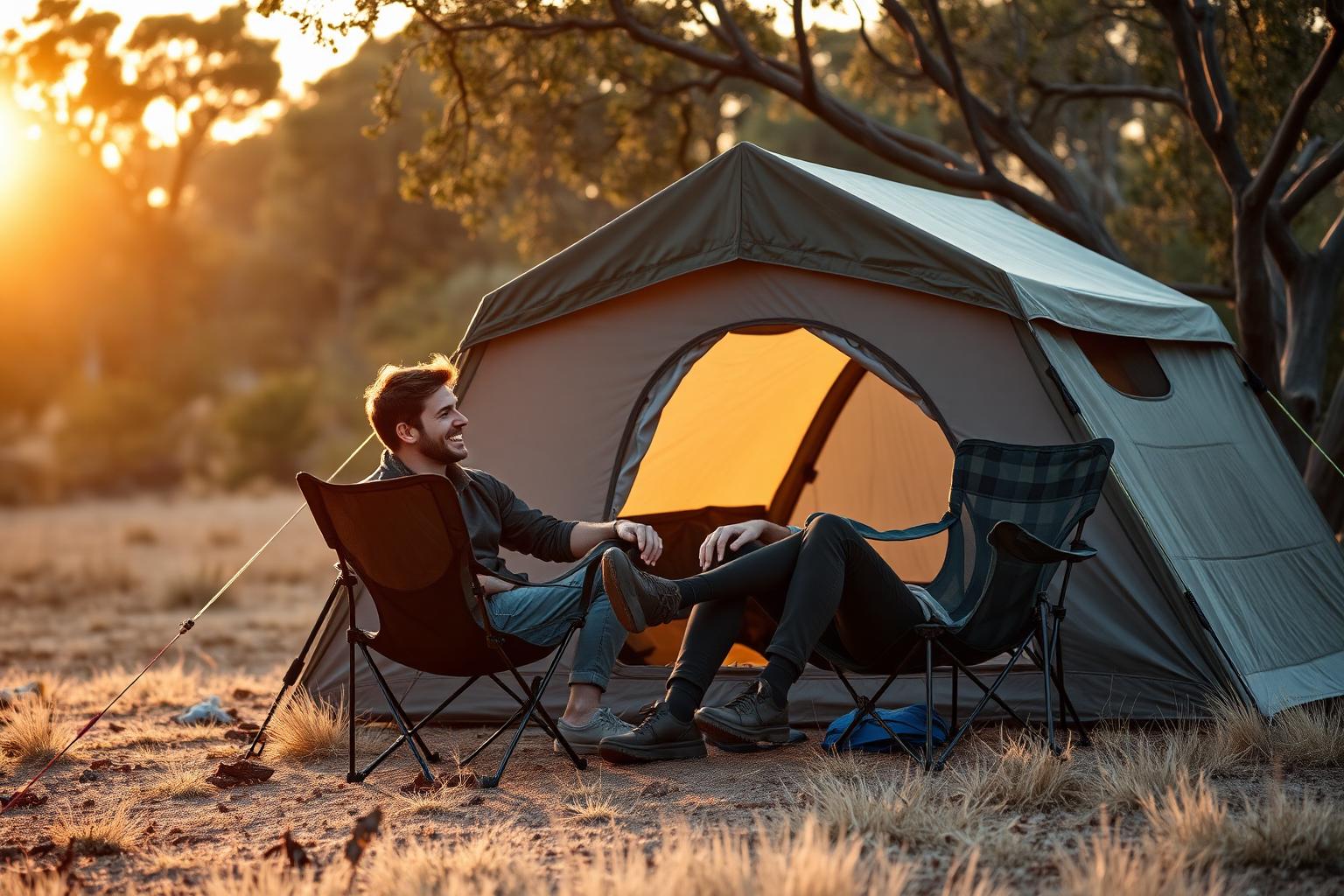
Camping As A Couple Without The Arguments
Camping together can be the most relaxing thing you do all year — or the trip that tests your patience. The difference is almost never the gear. It's how you set up, share the jobs and slow down once you're there.
After years of camping with my partner, the trips that go well have one thing in common: we agreed who does what before we left, not in the dark with a half-built tent. Camping strips away the distractions that fill normal life, which is wonderful — but it also means small frustrations have nowhere to hide. Sort the setup, share the load, and the rest takes care of itself.
Set up as a team, not a solo show
The single biggest source of camp arguments is one person silently doing everything while the other hovers. Before you leave, split the setup: one runs the tent, the other sorts the kitchen and beds. Pitching a tent is genuinely a two-person job — one threads poles while the other holds tension — so practise it once in the backyard so the first time isn't in fading light at an unfamiliar site. Agreeing the jobs in advance removes the running commentary and the resentment that builds when one person feels like the unpaid labourer. You'll be amazed how much calmer arrival is when you both know your lane.
- Decide who does tent and who does kitchen before you arrive
- Practise pitching the tent once at home first
- Aim to be set up before dark — rushing causes friction
- Keep a head torch each so neither is left in the dark
Sleep is the whole ballgame
Two tired, cold people will find something to argue about by day two. Sleep is where comfort camping earns its keep. Get a proper double mat or two good single mats pushed together, a sleeping bag rated colder than you expect, and an actual pillow each — not a rolled jumper. The temptation to share one thin mat to save space is a false economy; a bad night ruins the next day for both of you. Test the bed setup at home so you discover the gap between two mats before you're lying in it at midnight.
- Two good mats or one wide double — never share a thin one
- A real pillow each makes a bigger difference than you'd think
- Bags rated colder than the forecast — nights surprise people
- Sort the mat gap at home, not at midnight
Sign in to read the rest of this guide
The remaining steps and insider tips are free once you create an account.
Little things that make a big difference
Unlock the insider tips
Sign up free to see the tips seasoned campers only pass on in person.
Sign up freeBeyond the basic checklist
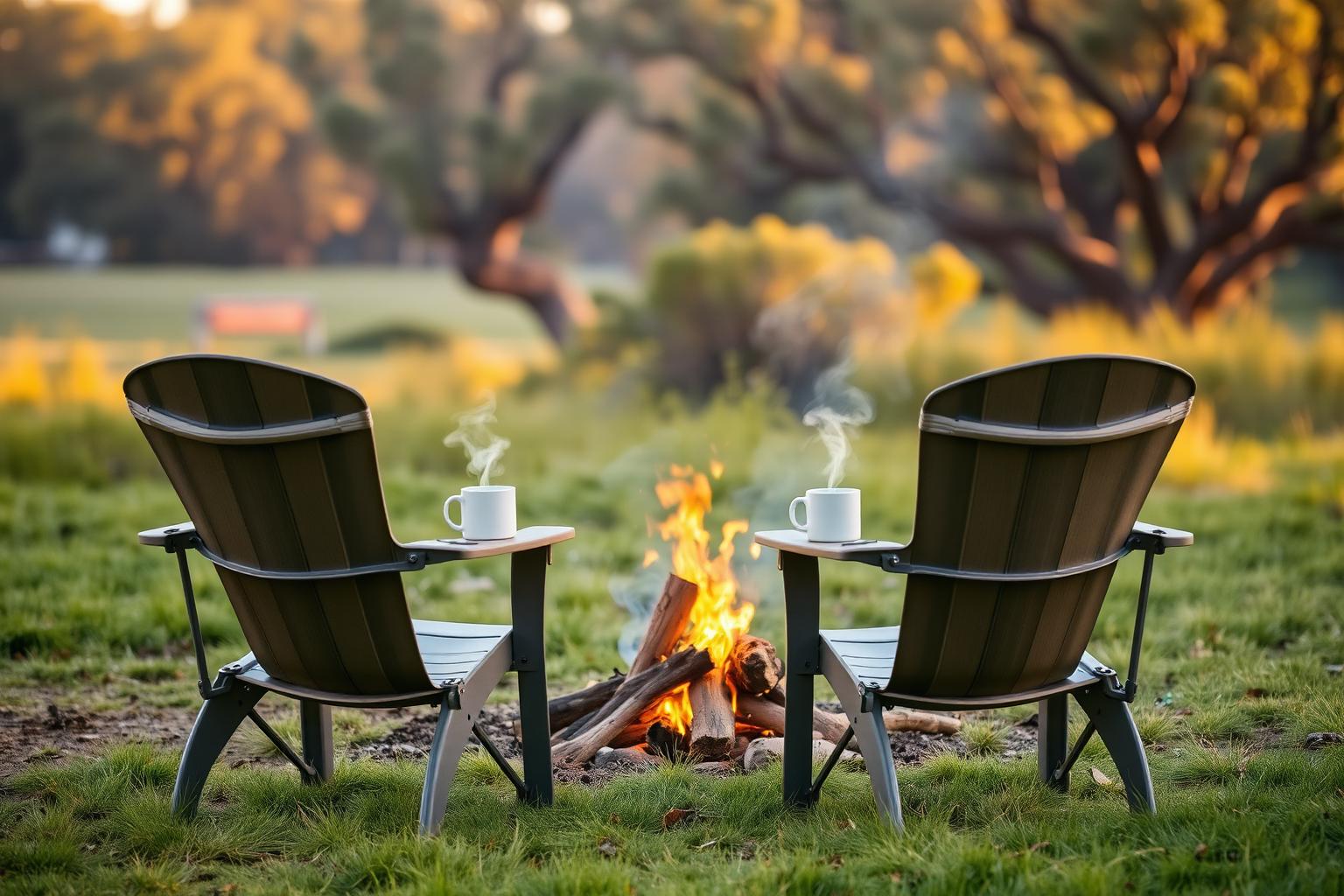
Two genuinely comfortable camp chairs
You'll live in them — comfort beats packing small.
A wide double mat or two good singles
Sleep is the difference between a great trip and a tense one.
A warm-glow lantern
Soft light makes evenings feel relaxing, not clinical.
Real coffee and a way to make it
Slow mornings are the heart of couple camping.
A deck of cards or small game
Easy, phone-free fun for fire-lit evenings.
Earplugs for each of you
Better sleep, fewer 3am elbow nudges.
One nice meal's worth of ingredients
A standout dinner makes the trip feel special.
A power bank
So no one rations the camera or the phone.
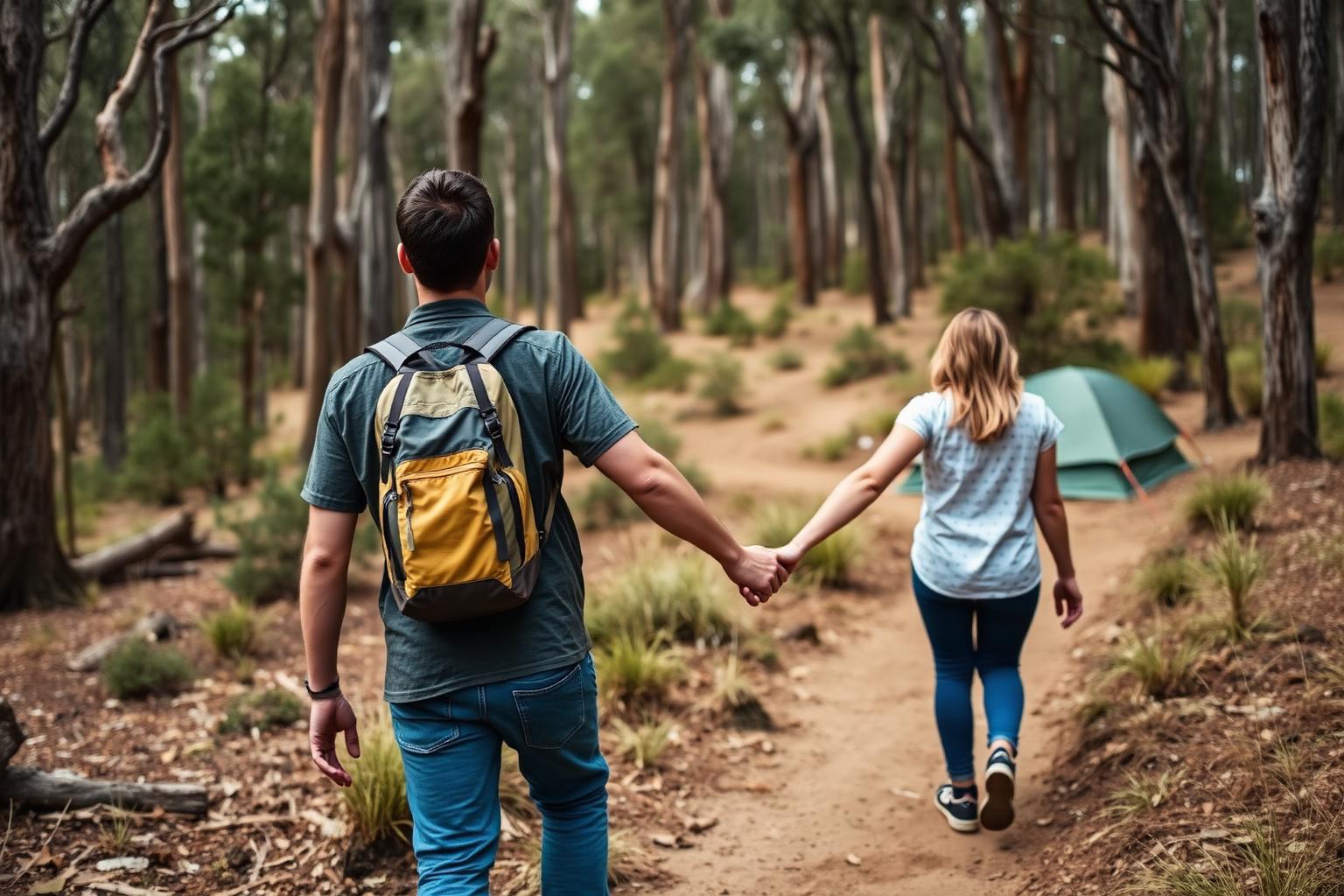
Pick a site you'll both relax at, not the most ambitious one on the map.
What catches people out
- One person doing all the work. Split the jobs or resentment builds fast in close quarters.
- Skimping on the bed to save space. A bad night's sleep sours the whole trip for both of you.
- Over-planning the itinerary. The downtime is the point — don't schedule it away.
- Choosing a site that suits only the more adventurous partner. Match the gentler appetite.
- Arriving after dark. Setting up by torchlight is where most couple camping arguments start.
- Forgetting snacks. Low blood sugar turns minor niggles into full disagreements.
Ready to turn this into a plan?
Build a packing list tailored to your trip and step through the rest in the right order.