
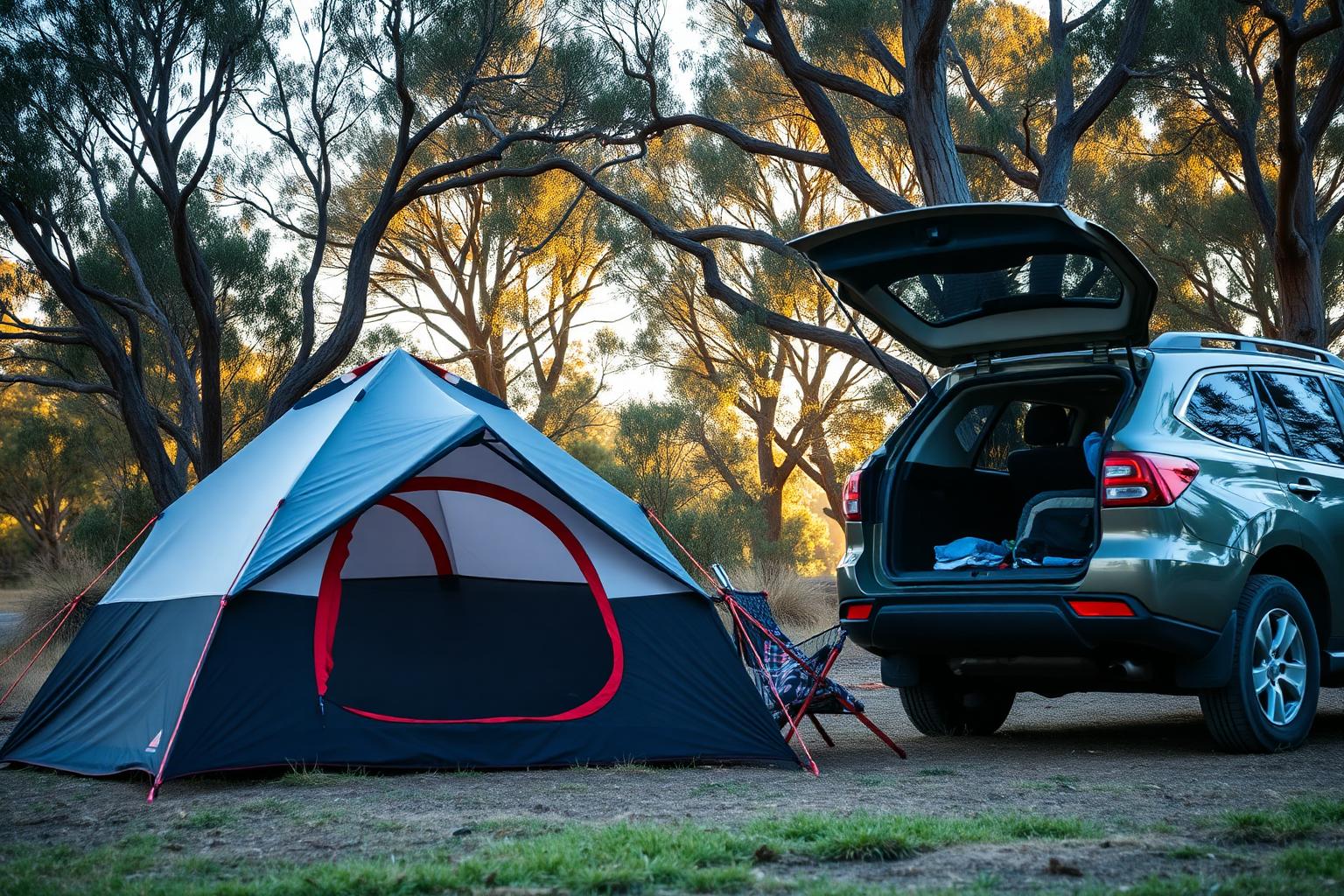
The Art Of The Easy Weekend Camp
The best campers aren't the ones who do epic two-week expeditions — they're the ones who slip away for a night or two, often, without it being a big production. Here's how to make weekend camping so easy you'll actually keep doing it.
I camp most because I made it easy. The trips that don't happen are the ones that need a week of planning and a full pack-out every time. The ones that do happen run off a permanent camp tub, a short drive and a simple meal plan. The whole skill of weekend camping is removing the friction so that 'should we just go away?' on a Thursday turns into actually going on Friday.
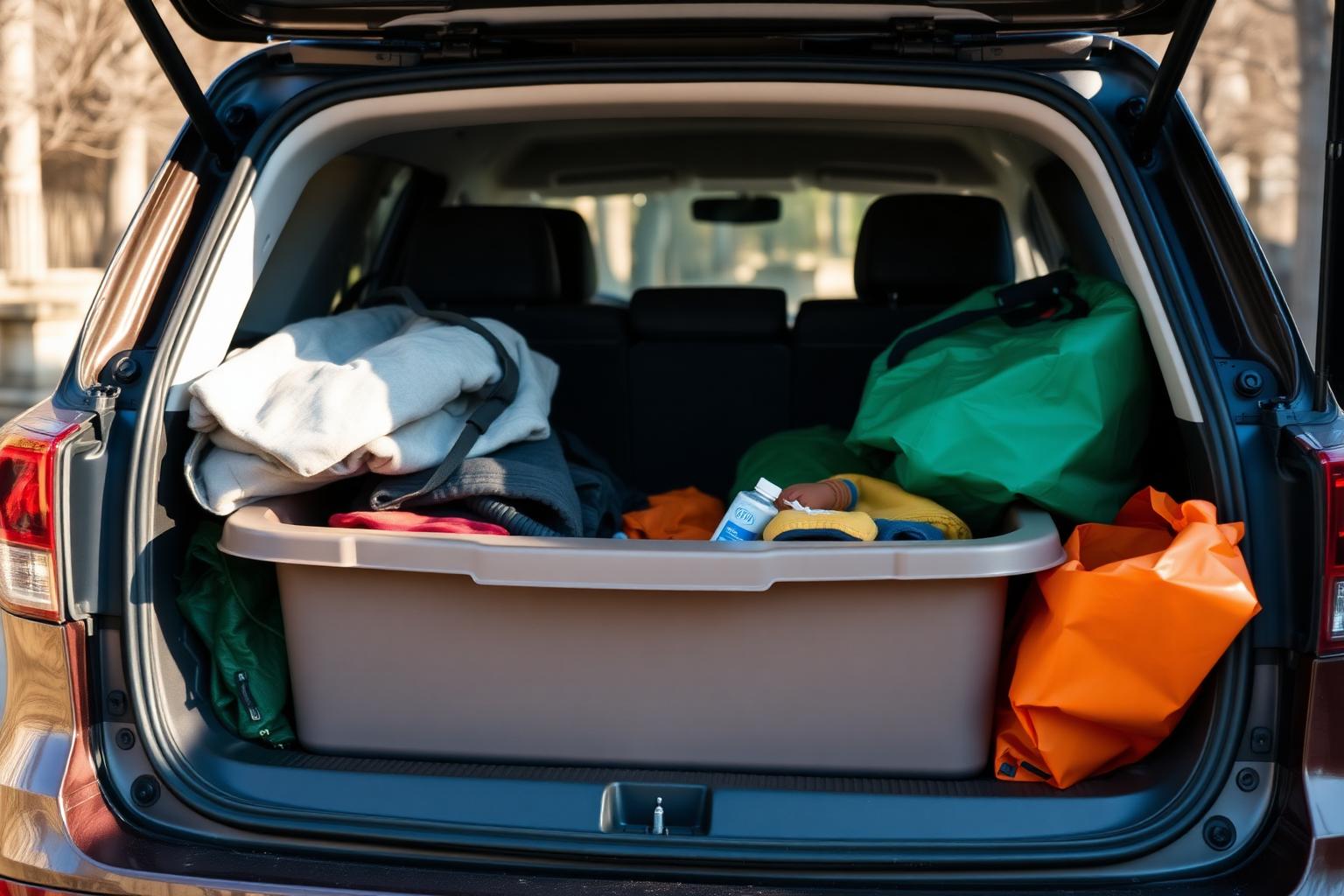
Keep a permanent camp tub ready
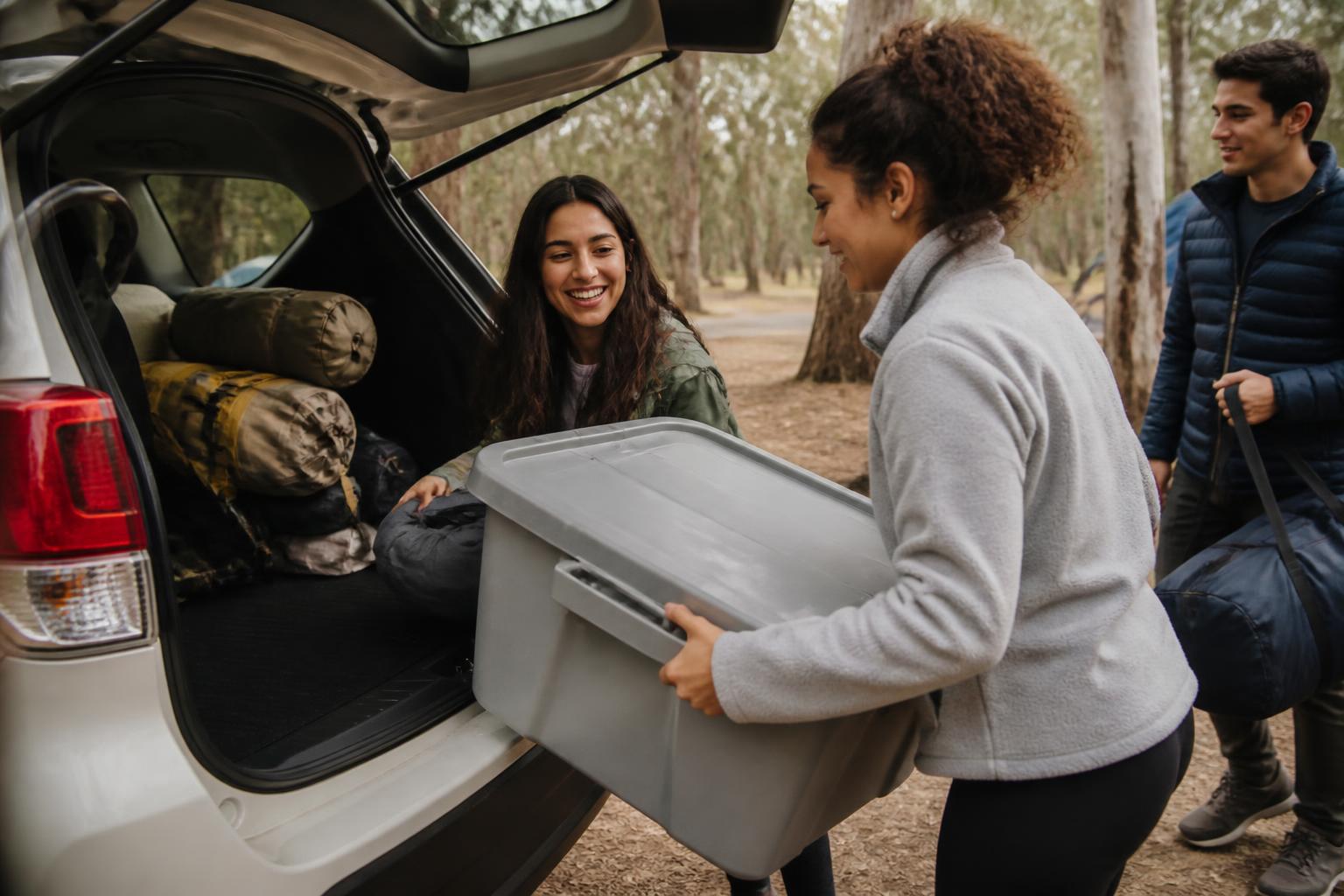
The single biggest unlock for frequent weekend camping is gear that lives packed. Keep a tub (or two) with everything non-perishable always in it — stove, cookset, lantern, cutlery, first aid, matches, tarp, pegs. Restock it the moment you get home, not the moment you leave. This turns departure from a half-day of hunting through cupboards into ten minutes of loading the car and grabbing food. People who pack from scratch every time slowly stop going; people with a ready tub go on a whim. The tub is the difference between camping being an event and being a habit.
- Keep a tub permanently packed with all non-food gear
- Restock it as soon as you get home, not before you leave
- Loading the car should take ten minutes, not half a day
- A ready tub is what turns camping into a regular habit
Build a shortlist of close, easy sites
For weekends, distance is the enemy. A site two hours away you can leave for after work beats a spectacular one five hours away you'll only manage twice a year. Build a personal shortlist of half a dozen reliable spots within easy reach — ones you know have space, decent access and the facilities you want. Knowing exactly where you're going removes the biggest planning step. The familiar, close site you can reach by Friday dinner is worth ten 'amazing' spots that are too far to bother with for a single night.
- Favour sites you can reach after work on a Friday
- Keep a shortlist of half a dozen reliable close spots
- Knowing the site removes most of the planning
- Close and easy beats spectacular but far for weekends
Sign in to read the rest of this guide
The remaining steps and insider tips are free once you create an account.
Little things that make a big difference
Unlock the insider tips
Sign up free to see the tips seasoned campers only pass on in person.
Sign up freeBeyond the basic checklist
A permanently packed camp tub
Turns leaving into a ten-minute job and camping into a habit.
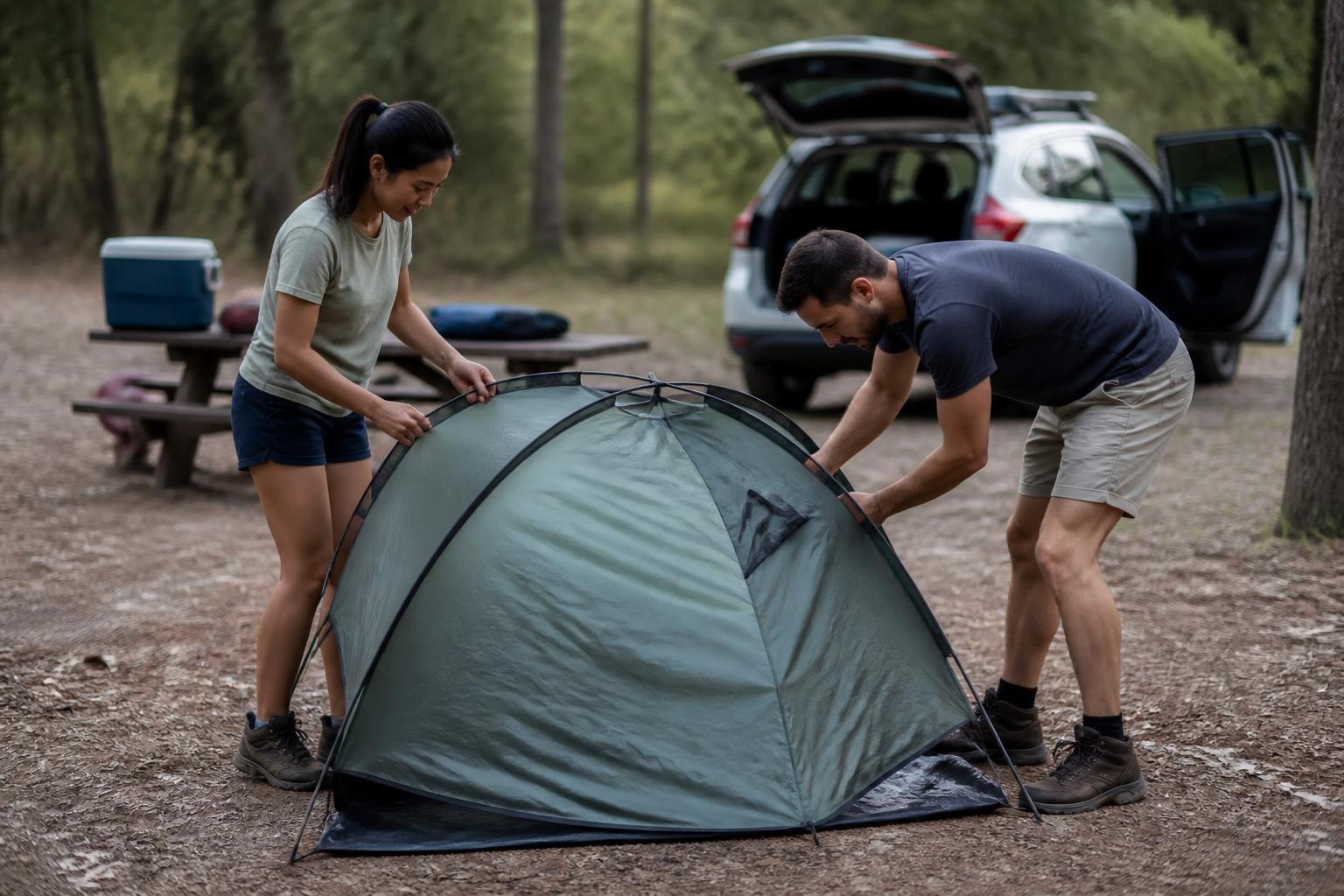
A fast-pitch tent (practised)
Makes Friday-night arrivals easy and doubles your weekend.
A reusable packing checklist
Removes the decisions that make trips feel like work.
A standard, simple meal plan
Five-minute shopping and effortless camp cooking.
Frozen water bottles
Free esky ice that lasts a short trip and becomes cold water.
A car 'forgotten essentials' kit
Chargers, tablets and spare pegs so nothing derails the trip.
A pre-cooked first dinner
Heat-and-eat on arrival instead of cooking in the dark.
Two head torches
Easy setup and moving around after a late arrival.
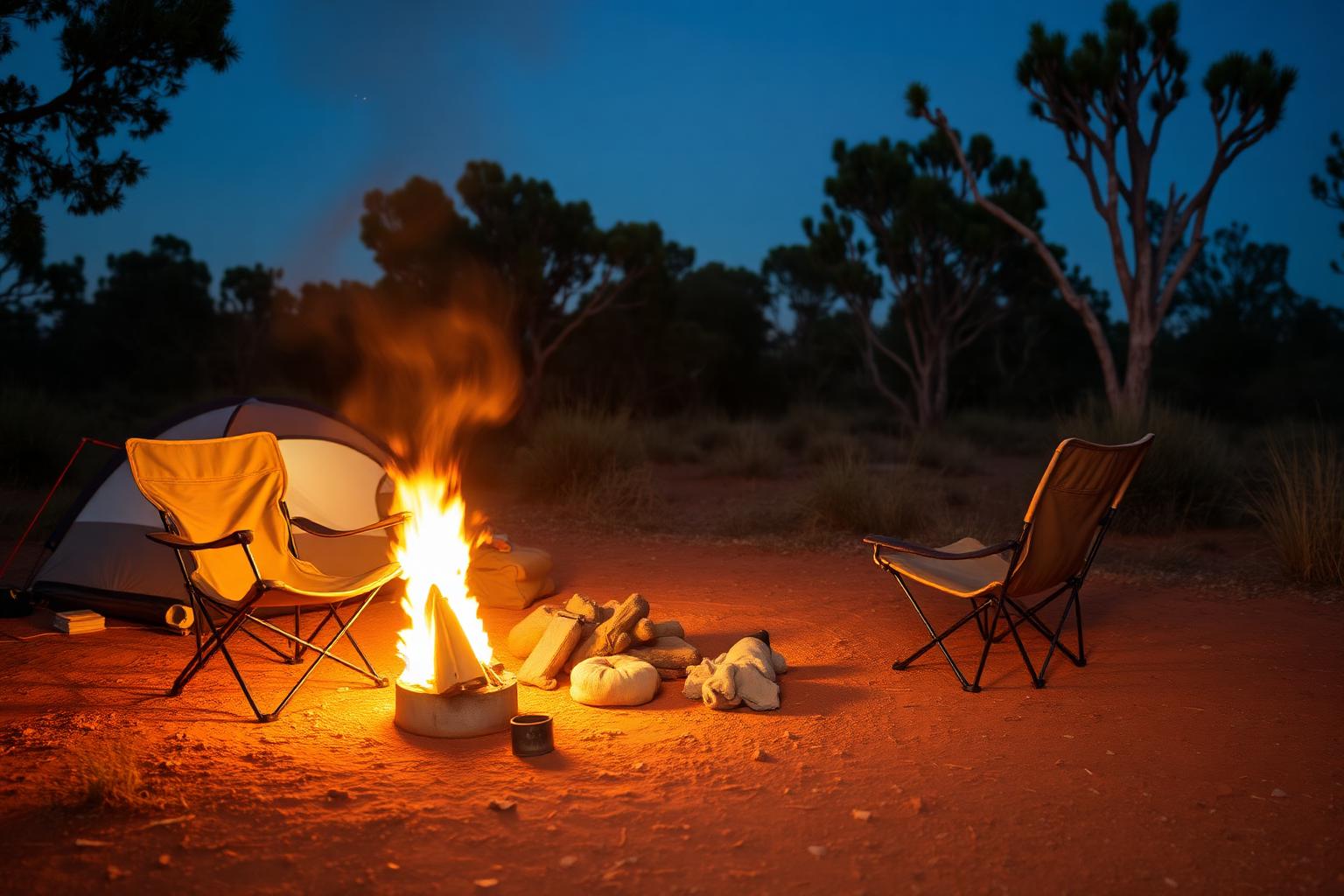
Keep it close and simple, and a weekend away becomes something you do monthly.
What catches people out
- Packing from scratch every time. It's the friction that slowly stops people going — keep a ready tub.
- Choosing sites too far away. For one or two nights, a long drive eats the whole trip.
- Fearing the dark arrival. With a fast pitch and a simple meal it's easy — and it nearly doubles your time away.
- Over-planning the food. Weekends want known, simple meals, not an ambitious menu.
- Reinventing the packing each trip. Reuse a checklist and a routine so it's effortless.
- Waiting for the perfect weekend. Conditions are rarely ideal — a good-enough trip still beats staying home.
Ready to turn this into a plan?
Build a packing list tailored to your trip and step through the rest in the right order.