
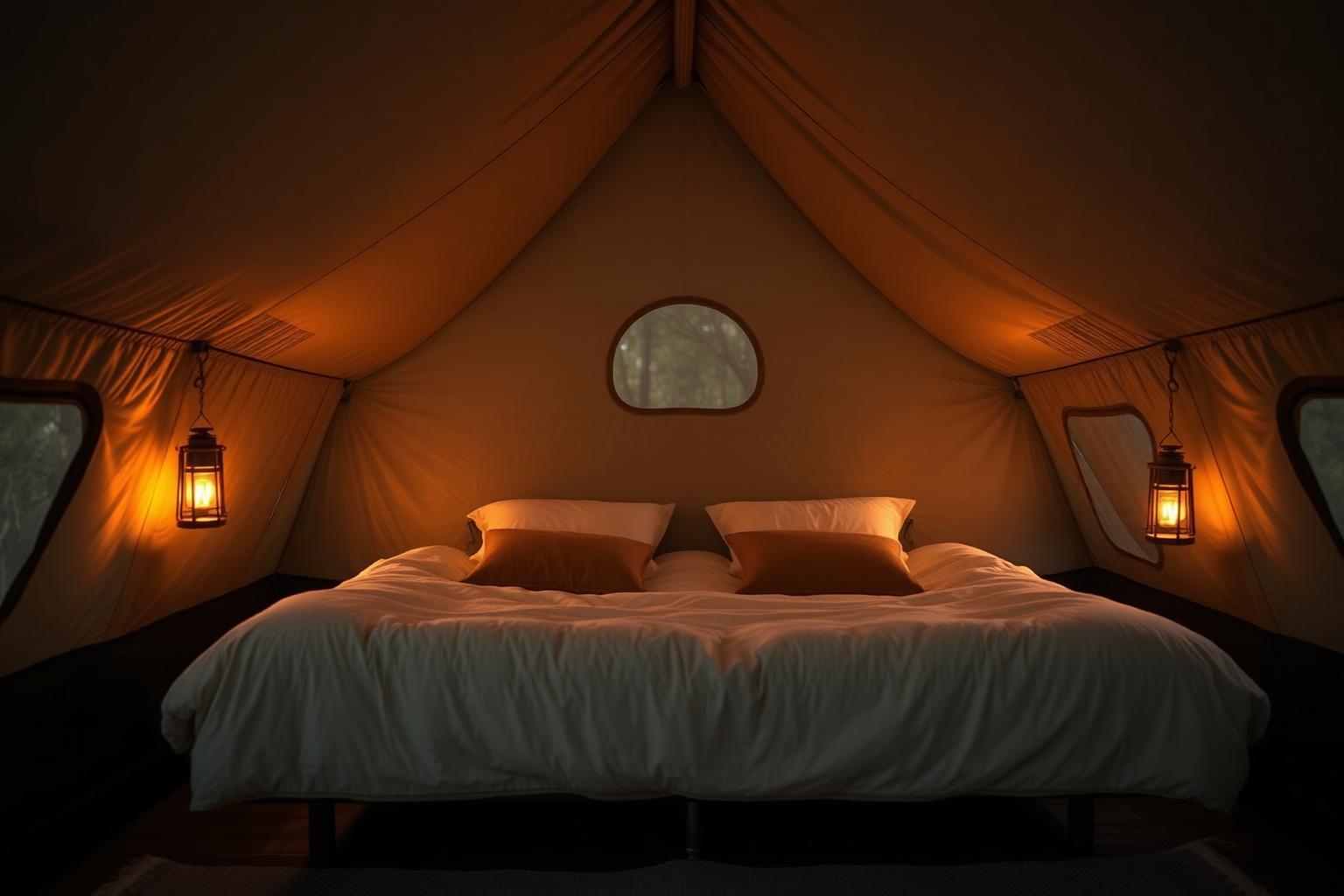
Comfortable Camping Without Going Glamping
You don't have to choose between roughing it and a five-star cabin. With a few deliberate choices — mostly around sleep, shade and the kitchen — camping can be genuinely comfortable on a normal budget.
Comfortable camping is not about spending the most — it's about spending in the right order. Almost every 'I hate camping' story comes down to a cold, sleepless night or a chaotic, fly-blown kitchen. Fix those two things and camping stops being an endurance test. I'd rather have a basic tent and a brilliant bed than the reverse, every single time.
Spend your comfort budget on sleep first
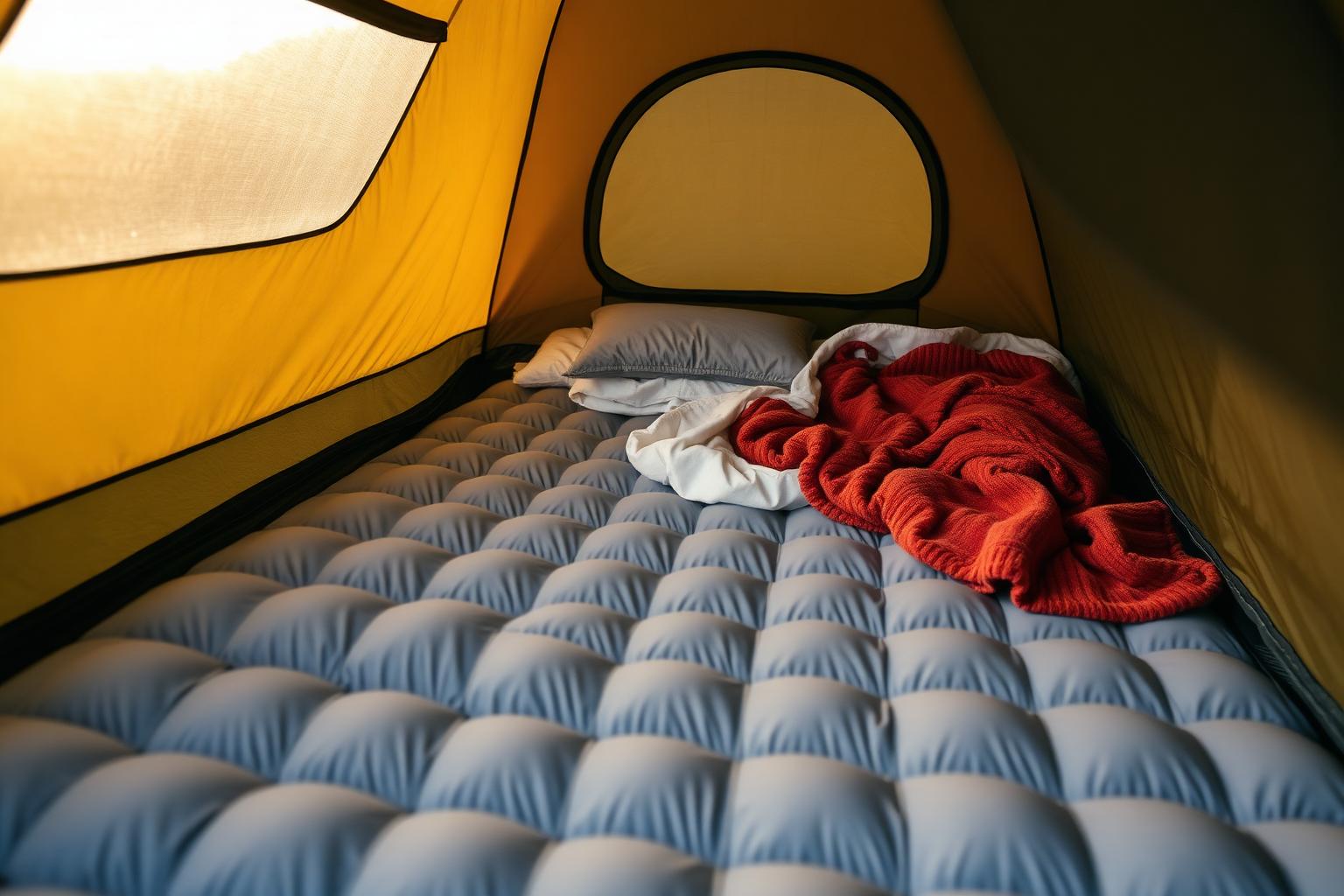
If you do one thing, do this: get off the ground properly. A thick self-inflating mat or a quality air bed, a sleeping bag rated colder than the forecast, and a real pillow will transform camping more than any other purchase. The ground saps heat all night, so insulation underneath you matters as much as the bag on top. People blame the cold air for bad nights when it's almost always the cold ground. Get the bed right and you wake up rested, warm and actually keen for the day — which is the whole difference between loving and loathing camping.
- A thick insulated mat matters more than an expensive bag
- Insulate underneath you — the ground steals your warmth
- A bag rated below the forecast, not at it
- A proper pillow, not a rolled-up jumper
Buy more tent than you think you need
Comfort loves space. A tent rated for two is cramped for two; size up so you can stand, store gear inside and not climb over each other. A bigger tent means a calmer, drier, more organised camp — somewhere to retreat when it rains rather than a coffin you only sleep in. Look for a decent vestibule or awning area to keep muddy boots and wet gear out of the sleeping space. The extra few minutes of setup is repaid every hour you spend at camp with room to actually move.
- Size up — a '4-person' tent is comfortable for two
- Stand-up height makes dressing and bad weather bearable
- A vestibule keeps mud and wet gear out of the bed
- Room to store gear inside keeps camp tidy and dry
Sign in to read the rest of this guide
The remaining steps and insider tips are free once you create an account.
Little things that make a big difference
Unlock the insider tips
Sign up free to see the tips seasoned campers only pass on in person.
Sign up freeBeyond the basic checklist
A thick insulated sleeping mat
The single biggest upgrade to camp comfort.
Hot water bottle
Cheapest way to a warm night's sleep.
A tarp or awning for shade
Drops the felt temperature and gives a dry living area.
A genuinely comfortable chair
You'll spend most of the trip sitting in it.
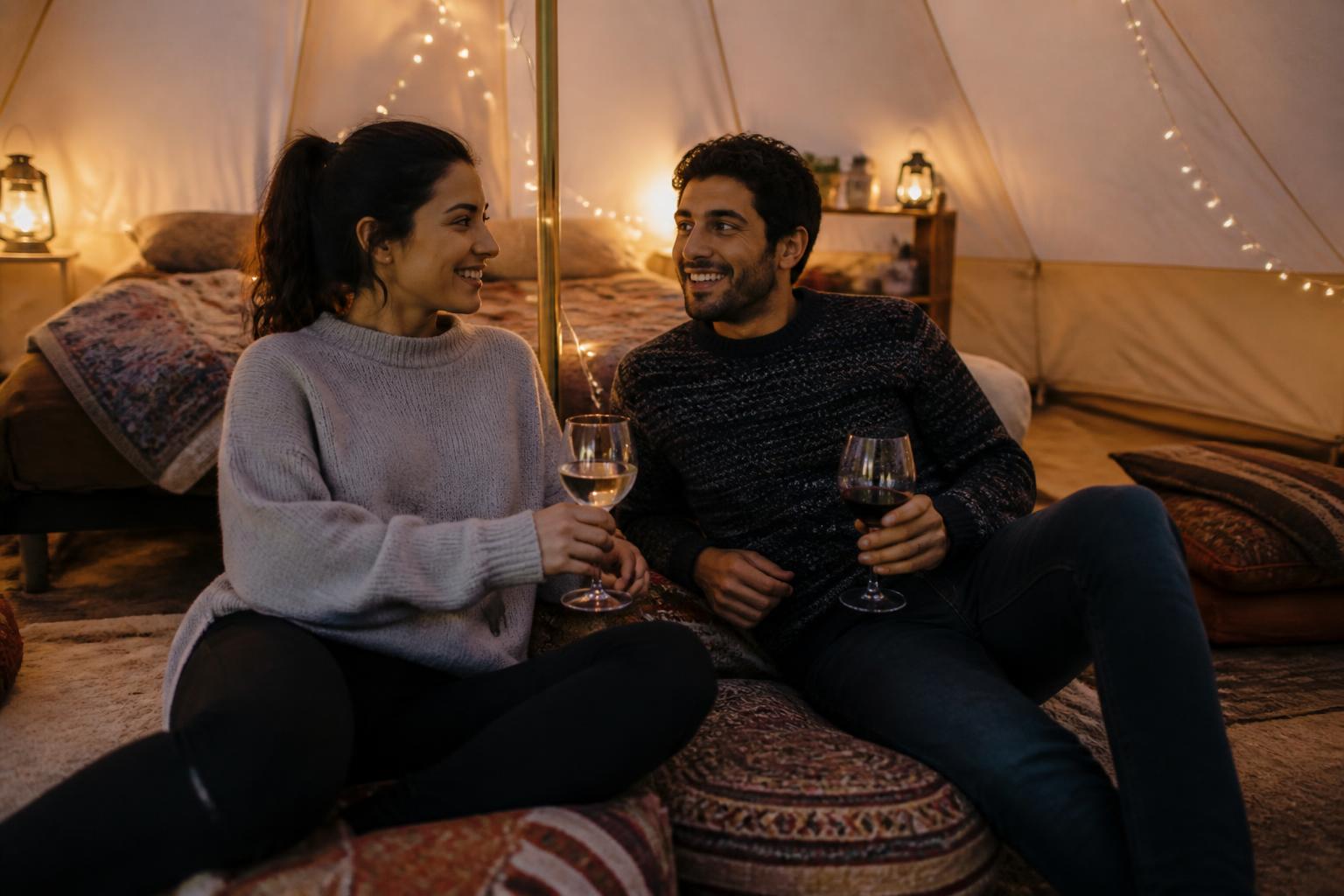
Warm-glow lantern and string lights
Soft light makes camp feel relaxing and civilised.
Power bank or small power station
Run lights, a fan and phones without battery anxiety.
A doormat and a rug
Keeping grit out makes the whole camp more pleasant.
A proper camp kitchen kit
Good tools turn cooking from a chore into a highlight.
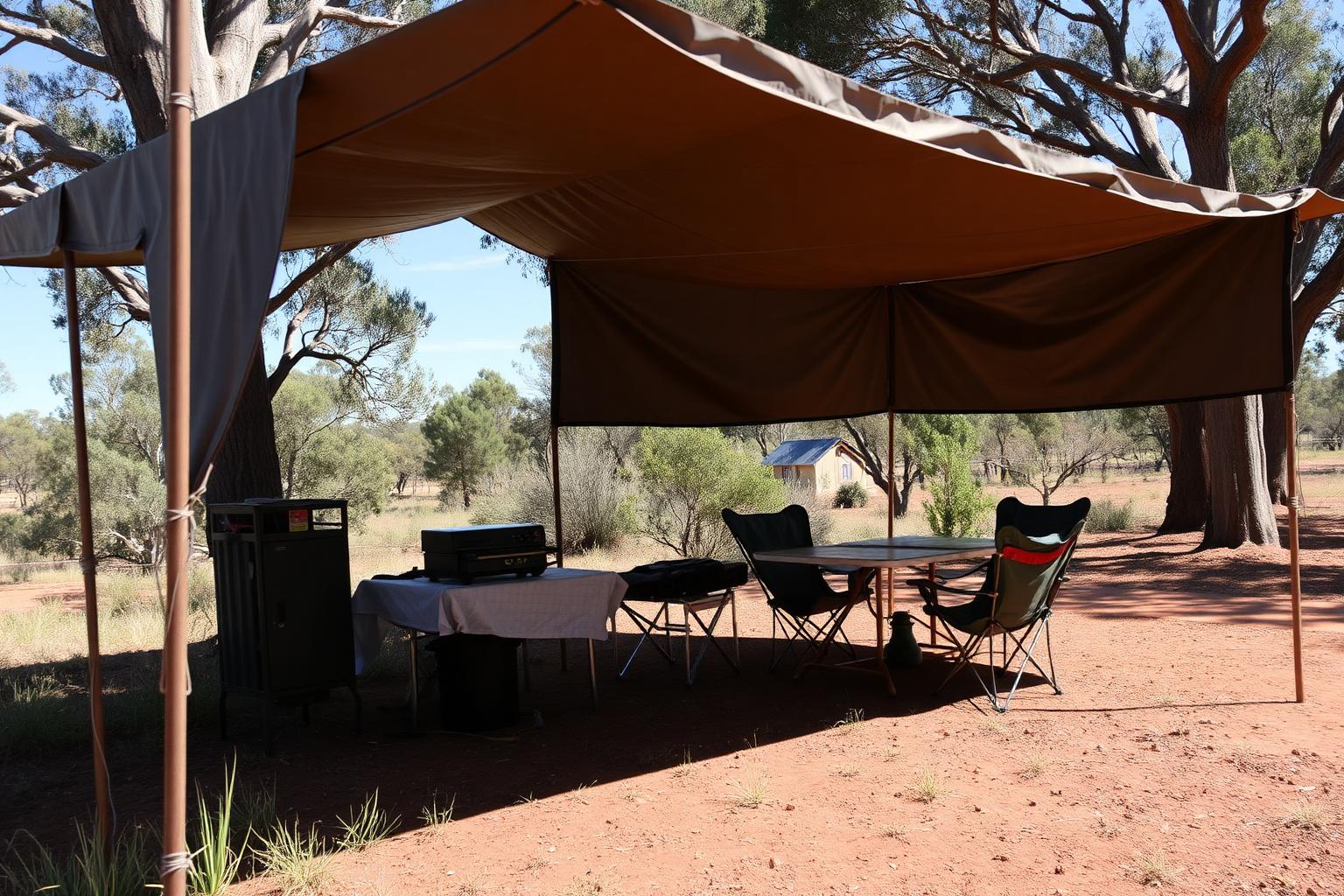
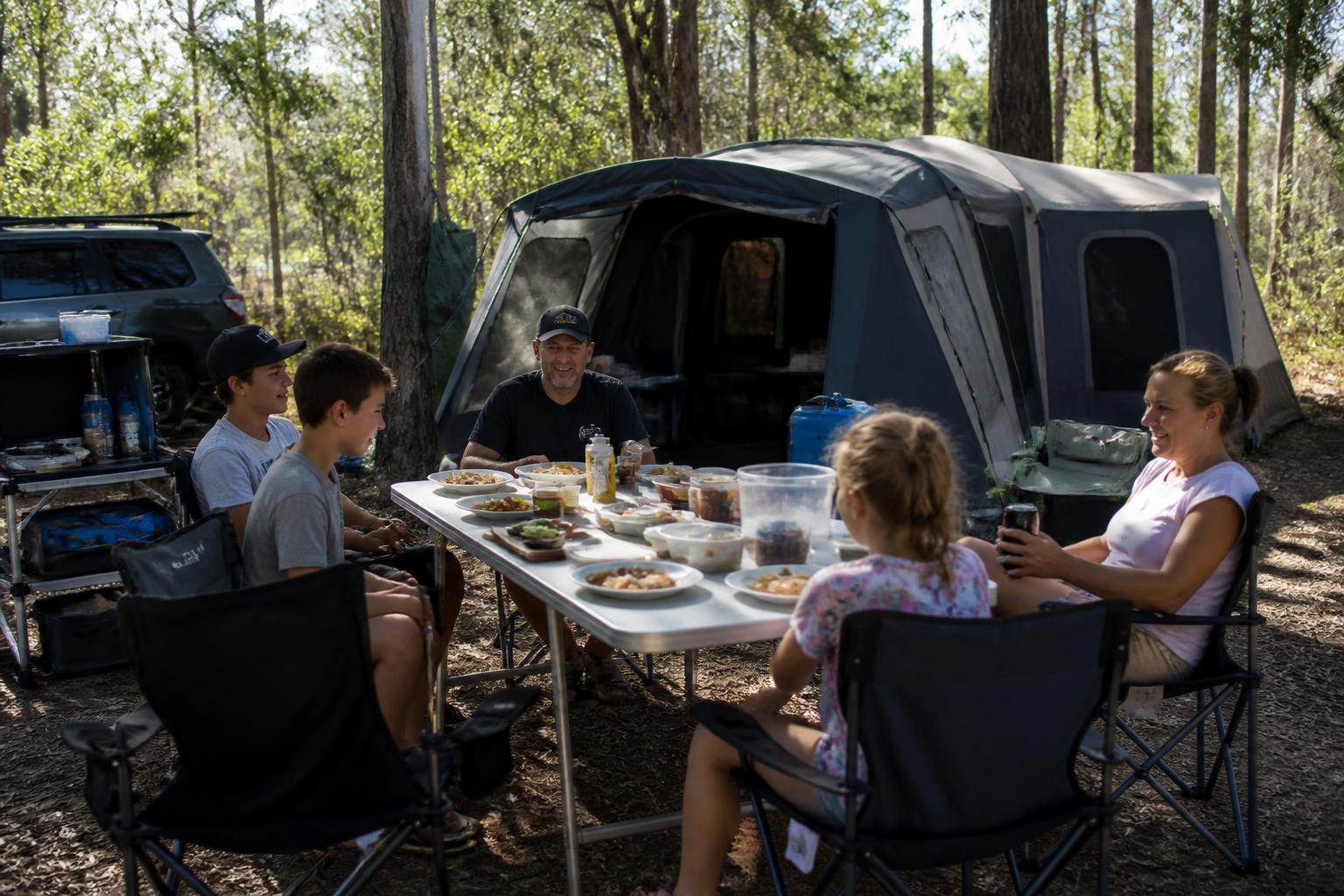
Shade and a proper sitting area turn a campsite into a place you want to stay.
What catches people out
- Skimping on the sleeping mat. The ground, not the air, is what makes you cold — insulate underneath.
- Buying a tent rated for exactly your numbers. It'll feel cramped; always size up for comfort.
- No shade plan. An exposed site in summer is miserable by midday — always pack a tarp or awning.
- A chaotic kitchen. Crouching and hunting for gear is the discomfort people wrongly blame on camping itself.
- Cheap folding chairs. You sit more than anything else — a bad chair is a bad trip.
- Relying on the forecast. Pack for colder and hotter than predicted so weather can't ruin the trip.
Ready to turn this into a plan?
Build a packing list tailored to your trip and step through the rest in the right order.